
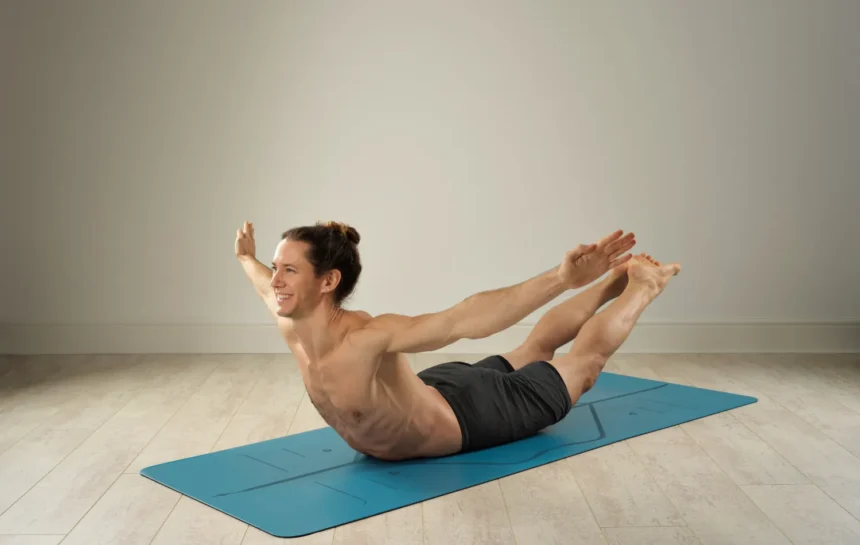
Locust Pose, or Salabhasana, is one of yoga’s most effective backbends, offering a unique combination of strength, flexibility, and body awareness. Unlike more advanced backbends that require significant flexibility, Locust Pose emphasizes controlled lifting and muscular engagement, making it suitable for practitioners of all levels—from beginners taking their first yoga class to advanced yogis deepening their practice.
- What is Salabhasana (Locust Pose)?
- How to Perform Locust Pose (Step-by-Step)
- 1. Get Grounded
- 2. Engage Your Core and Legs
- 3. Lift Your Chest and Arms
- 4. Lift Your Legs
- 5. Find Your Alignment and Hold
- 6. Release Slowly
- Quick Tips for a Safe and Effective Locust Pose
- Benefits of Locust Pose
- Common Mistakes to Avoid
- Variations and Modifications
- Precautions
- Integrating Locust Pose into Your Practice
- Conclusion
Practicing Salabhasana regularly can have a profound impact on your spinal health and posture, counteracting the effects of prolonged sitting or poor ergonomics, which are common in modern lifestyles. In addition to its physical benefits, this pose also encourages mental focus, mindfulness, and energy flow, as it requires concentration to maintain balance and alignment while engaging multiple muscle groups simultaneously.
In this ultimate guide, we will cover everything you need to know about Locust Pose, including:
- Proper alignment and step-by-step instructions
- Key physical and mental benefits
- Common mistakes and how to avoid them
- Variations and modifications for different skill levels
- Tips for incorporating the pose safely into your yoga routine
By the end of this guide, you’ll have a deep understanding of Salabhasana and feel confident adding it to your practice, reaping its full range of benefits.
What is Salabhasana (Locust Pose)?
Salabhasana, or Locust Pose, comes from the Sanskrit word Salabha, which means “locust”—a name inspired by the way the body lifts off the ground in this pose, resembling a locust in flight. In its essence, lotus position is a prone backbend performed while lying flat on the stomach, requiring coordinated engagement of multiple muscle groups.
When performed correctly, Salabhasana activates the back extensors, which run along the spine, while also engaging the glutes, hamstrings, shoulders, and core. This combination strengthens the posterior chain—the group of muscles along the back of the body—while promoting flexibility in the spine, hips, and shoulders.
One of the key differences between Locust Pose and deeper backbends, such as Bow Pose or Wheel Pose, is its focus on controlled muscular engagement over extreme arching. Rather than forcing a deep backbend, the practitioner gradually lifts the chest, arms, and legs, building strength and stability along the spine. This controlled approach not only reduces the risk of injury but also allows beginners to build confidence and body awareness before progressing to more challenging postures.
Salabhasana also improves proprioception, which is the body’s sense of its position in space, helping you maintain balance and alignment both on and off the mat. Regular practice can enhance posture, counteract the negative effects of prolonged sitting, and support overall spinal health.
In short, Locust Pose is a versatile and accessible yoga posture that provides a foundation for stronger backbends, a healthier spine, and a more resilient, mindful body.
How to Perform Locust Pose (Step-by-Step)
lotus position is a gentle yet powerful backbend that strengthens your back, core, and glutes. Done correctly, it leaves you feeling energized and aligned. Here’s how to do it safely and effectively:
1. Get Grounded
Start by lying face down on your mat with your legs stretched out behind you and your arms resting alongside your body, palms facing down. Rest your forehead lightly on the mat and take a few deep breaths. Notice your back, hips, and legs connecting with the floor—this grounding is key for stability when you start lifting.
2. Engage Your Core and Legs
Gently press the tops of your feet and thighs into the mat. Activate your glutes and hamstrings just enough to feel them working. Keep your pubic bone lightly anchored to the mat—it’s your support so your lower back doesn’t overarch. Your core should be engaged, but not tight; think of it as a gentle lift from the inside out.
3. Lift Your Chest and Arms
As you inhale, slowly lift your head, chest, and arms just a few inches off the floor. Keep your shoulders relaxed, away from your ears, and draw your shoulder blades down your back. Focus on lifting from your upper and middle back, rather than forcing your chest up from your lower spine.
4. Lift Your Legs
Next, lift your legs off the mat, keeping them straight and strong. Engage your back muscles, glutes, and hamstrings for support. Keep your legs about hip-width apart to stay balanced, and let your toes point naturally or flex them—both are fine.
5. Find Your Alignment and Hold
Reach your fingertips and toes actively, but without straining. Keep your gaze soft—slightly forward or down—to protect your neck. Hold the pose for 20–40 seconds, breathing smoothly and deeply. Focus on controlled strength and mindful engagement rather than trying to lift as high as possible.
If you’re new to the pose, it’s okay to start with shorter holds and gradually build up. Remember, quality always beats height.
6. Release Slowly
Exhale and gently lower your chest, arms, and legs back to the mat. Take a few breaths to relax. Move into Child’s Pose or lie flat on your stomach for a moment to neutralize your spine before repeating the pose.
You can do 2–3 rounds of Locust Pose, resting in between as needed. Over time, your strength and confidence in the pose will naturally increase.
Quick Tips for a Safe and Effective Locust Pose
- Warm up with gentle backbends like Cobra or Sphinx Pose first.
- Keep your lift controlled—don’t try to go as high as possible right away.
- Focus on breathing steadily; each inhale can help you lift, each exhale can help you settle deeper.
Benefits of Locust Pose
Locust Pose isn’t just another backbend—it’s a full-body exercise that strengthens, stretches, and energizes both body and mind. With regular practice, Salabhasana can improve posture, tone muscles, enhance flexibility, and leave you feeling focused and rejuvenated.
Physical Benefits
Salabhasana, or Locust Pose, is a full-body strengthening posture that works the back, core, glutes, and hamstrings. It not only tones muscles but also improves spinal flexibility, enhances posture, and encourages better body awareness. The gentle lift of the chest and legs stimulates circulation and engages the abdominal muscles, supporting digestion and stability. With regular practice, Locust Pose can help counteract the effects of prolonged sitting, relieve tension, and provide a strong foundation for other yoga postures that require balance and core strength.
1. Strengthens the Back and Spine
Salabhasana works the entire back, from the lower spine up through the shoulders. By engaging these muscles, it helps correct slouching caused by hours of sitting or poor posture. Over time, your back becomes stronger, more flexible, and less prone to tension or discomfort.
2. Tones the Core and Glutes
While it may seem like a back-focused pose, Locust Pose also activates your core and glutes. Lifting your legs and chest simultaneously requires abdominal engagement and glute strength, making it an excellent pose for building stability and balance while sculpting key muscles that support your spine.
3. Enhances Spinal Flexibility
The gentle arch in Locust Pose increases mobility in both the thoracic and lumbar spine. This improved flexibility not only helps with deeper backbends later but also makes everyday movements easier and safer.
4. Stimulates Digestive Organs
The subtle compression of the abdomen during the lift helps stimulate digestive organs, improve circulation, and support healthy organ function. It’s a great way to awaken your body from the inside out.
5. Improves Coordination and Body Awareness
Even though you’re lying on the floor, Locust Pose requires full-body coordination. Engaging your arms, chest, back, and legs at the same time improves your mind-body connection, enhancing balance and awareness both on and off the mat.
Mental Benefits
While Locust Pose is excellent for building physical strength, its mental benefits are equally impressive. Practicing Salabhasana encourages mindfulness, focus, and body awareness, as it requires you to coordinate multiple muscle groups while maintaining balance and steady breathing. The posture also helps stimulate circulation and energize the nervous system, leaving you feeling alert, refreshed, and centered. Many practitioners notice a reduction in stress and fatigue after the pose, as the gentle backbend opens the chest and encourages a sense of calm and mental clarity.
1. Boosts Focus and Mindfulness
Holding Salabhasana demands attention to alignment, breath, and engagement. This naturally trains your mind to stay present, improving concentration and bringing mindfulness into your practice—and your daily life.
2. Reduces Stress and Fatigue
Opening the chest and engaging the back stimulates circulation and energizes the body. Many practitioners notice a boost in vitality and a release of tension, helping to alleviate stress and fatigue.
Common Mistakes to Avoid
Even experienced yogis can fall into alignment traps with Locust Pose. Being aware of these common errors will help you practice safely and get the most out of the posture:
1. Overarching the Lower Back
It’s easy to try lifting too high, which can strain the lumbar spine. Instead, focus on controlled engagement: activate your core and glutes to lift safely.
2. Tensing Shoulders and Neck
Avoid shrugging your shoulders toward your ears or cranking your neck. Keep your shoulders relaxed and long, and let your neck follow the natural line of your spine.
3. Legs Too Wide
Spreading the legs too far apart can reduce stability. Keep them hip-width apart and engage your glutes to maintain balance.
4. Holding Your Breath
Breath is crucial for strength and relaxation. Keep your breathing even and smooth—inhale as you lift, exhale as you stabilize, and stay connected to your breath throughout.
5. Lifting Too High Too Soon
Strength and flexibility take time to develop. Don’t worry about the height of your lift at first. Focus on alignment, engagement, and control; the lift will naturally improve with consistent practice.
With mindful practice, Salabhasana becomes more than just a backbend—it’s a full-body strengthener, posture improver, and energy booster, helping you feel strong, balanced, and centered in both body and mind.
Variations and Modifications
Locust Pose can be adapted to suit practitioners of all levels. Whether you’re just starting out or looking for a deeper challenge, there’s a variation that works for you.
Beginner Variations
- One-Legged Locust: Instead of lifting both legs at once, try lifting one leg at a time. This builds strength gradually and allows you to focus on proper alignment without overstraining your back.
- Arms Alongside the Body: Keep your arms resting alongside your torso rather than extending forward. This reduces the intensity on the shoulders while still activating the back muscles.
- Partial Lift: Lift your chest and legs only a few inches off the mat. Even this small lift strengthens your back and engages your core safely.
Intermediate and Advanced Variations
- Full Locust with Arms Extended: Extend your arms forward while lifting your chest and legs. This variation deepens the backbend, challenges the shoulders, and engages the entire posterior chain.
- Locust with Twist: Add a gentle twist from the spine to increase rotational flexibility and engage oblique muscles. Be careful not to over-rotate; move slowly and mindfully.
- Weighted Locust: For advanced practitioners, holding light ankle or wrist weights can intensify muscle engagement, strengthening the back, glutes, and shoulders further.
Precautions
While Locust Pose is generally safe, it may not be suitable for everyone:
- Avoid this pose if you have serious back injuries, herniated discs, or recent spinal surgery.
- Pregnant practitioners should practice gently and consult their doctor before attempting full lifts.
- Always warm up the spine with gentle backbends like Cobra Pose or Sphinx Pose before attempting full Locust Pose.
- If you experience any sharp pain or discomfort in your back or neck, ease out of the pose immediately and modify accordingly.
Integrating Locust Pose into Your Practice
Salabhasana works best when combined with other back-strengthening and posture-improving poses:
- Include it in a back-focused sequence with Cobra, Bridge, Bow Pose, or Sphinx Pose.
- Practice 2–3 rounds, holding each for 20–40 seconds, focusing on controlled lifts and steady breathing.
- Always follow with counterposes like Child’s Pose or a gentle forward fold to release the spine and prevent tension.
- Use Locust Pose as a strength-building or energizing posture mid-practice, or as part of a restorative sequence to improve focus and mental clarity.
Conclusion
Locust Pose (Salabhasana) is more than just a backbend—it’s a posture that combines strength, flexibility, and mindfulness into one simple yet powerful movement. By engaging the back, glutes, and core, it not only improves posture but also builds a solid foundation for other yoga poses. Over time, consistent practice can help prevent back discomfort, enhance spinal mobility, and create a stronger, more resilient body. Even a few rounds of this pose each week can make a noticeable difference in how you carry yourself throughout the day.
Mentally, Salabhasana encourages focus and presence. Holding the pose requires attention to alignment, breath, and controlled movement, training your mind to stay centered and mindful. Many practitioners report feeling more energized, alert, and mentally clear after practicing Locust Pose, making it a valuable tool for reducing stress, improving concentration, and cultivating a calm yet focused state of mind. It’s a reminder that yoga is not just physical exercise—it’s a practice that nourishes both body and mind.
Whether you are a beginner taking your first cautious lifts or an experienced yogi exploring advanced variations, Locust Pose has something to offer everyone. With proper alignment, mindful breathing, and gradual progression, it can become a cornerstone of your yoga practice. Incorporating Salabhasana into your regular routine not only strengthens and energizes your body but also helps cultivate awareness, balance, and confidence—both on the mat and in daily life.