
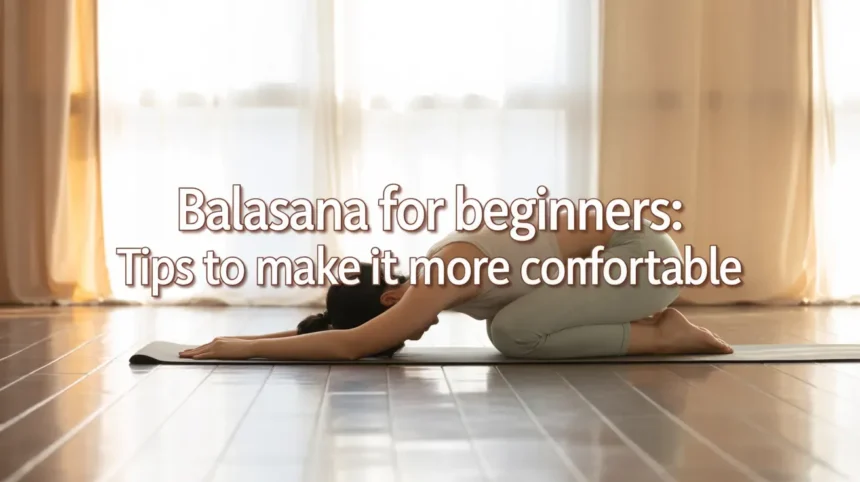
Balasana (Child’s Pose) is a gentle, grounding yoga posture where you kneel on the mat, sit back on your heels, and fold your torso forward toward the floor. It may look simple, but this calming pose offers deep relaxation while softly stretching the hips, thighs, and lower back. Because it is slow, supported, and easy to modify, Balasana is often one of the very first poses beginners learn.
- What Is Balasana (Child’s Pose)?
- Benefits of Balasana for Beginners
- Relieves Stress and Calms the Nervous System
- Gently Stretches Hips, Thighs, and Lower Back
- Reduces Fatigue
- Encourages Mindful Breathing
- Supports Flexibility Safely
- How to Do Balasana Step-by-Step (Beginner-Friendly Guide)
- Why Balasana Feels Uncomfortable for Beginners
- Tips to Make Balasana More Comfortable
- Use a Pillow or Yoga Bolster
- Support Your Knees
- Widen Your Knees
- Place a Blanket Between Thighs and Calves
- Don’t Force the Stretch
- Adjust Arm Placement
- Beginner Modifications and Variations
- Common Mistakes to Avoid
- How Long Should Beginners Hold Balasana?
- When to Avoid or Modify Balasana
- Final Thoughts
That said, many beginners experience mild discomfort at first. Tight hips may prevent the hips from touching the heels, knee pressure can make it hard to relax, and a stiff lower back might feel strained when folding forward. The good news? Small adjustments can make a big difference. In this guide, you’ll discover practical, beginner-friendly tips to make Balasana more comfortable so you can enjoy its full calming benefits.
What Is Balasana (Child’s Pose)?
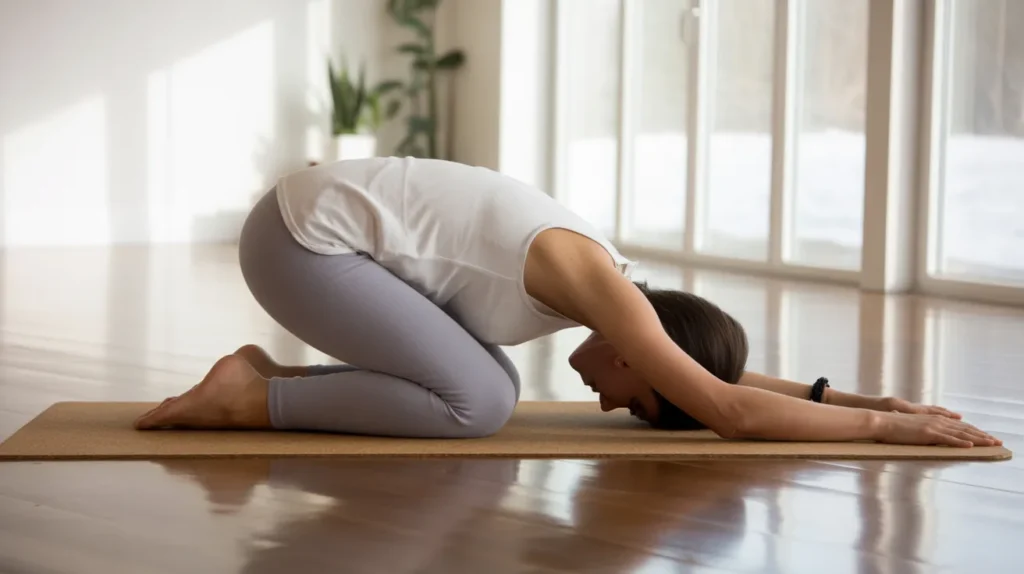
Balasana, commonly known as Child’s Pose, is a basic resting posture in yoga where the body folds forward from a kneeling position. It is designed to promote relaxation, gentle stretching, and mindful breathing.
In Sanskrit, “Bala” means child, and “Asana” means pose or posture. The name reflects the soft, curled-up shape of a child at rest — symbolizing surrender, comfort, and safety.
Balasana is considered a resting pose because it allows the body to pause and recover between more active postures. Yoga instructors often guide students into Child’s Pose between challenging sequences or at the end of a session to calm the nervous system, slow the breath, and bring awareness inward. Despite being labeled a “resting” pose, it still provides a meaningful stretch and mental reset — especially for beginners learning to connect movement with breath.
Benefits of Balasana for Beginners
Balasana, or Child’s Pose, is a gentle and restorative yoga posture that is perfect for beginners. While it may look simple, it provides both physical and mental benefits, helping new practitioners feel grounded, relaxed, and supported. Its slow, mindful nature makes it an ideal introduction to yoga, especially for those who want to stretch safely without overexertion.
Relieves Stress and Calms the Nervous System
This pose encourages a deep state of relaxation. Folding forward and focusing on steady, mindful breathing helps soothe the nervous system, reduce stress, and calm the mind, making it especially beneficial for beginners who may feel overwhelmed by more challenging poses.
Gently Stretches Hips, Thighs, and Lower Back
Balasana provides a gentle stretch to the hips, thighs, and lower back. It helps release tension gradually, which is perfect for beginners who may have tight muscles from long hours of sitting or minimal daily stretching.
Reduces Fatigue
Taking a moment in Child’s Pose allows the body to rest and recharge. Even holding it for just 30–60 seconds can reduce fatigue and refresh both the body and mind.
Encourages Mindful Breathing
Since the body is supported, beginners can focus on deep, controlled breathing. This helps increase oxygen flow, improves concentration, and strengthens the mind-body connection.
Supports Flexibility Safely
Balasana improves flexibility in a safe, low-impact way. Over time, it helps increase hip and spine mobility without straining joints, making it an excellent pose for building a foundation for other yoga postures.
You Can Also Read About: 10 Powerful Standing Yoga Poses to Build Strength and Balance
How to Do Balasana Step-by-Step (Beginner-Friendly Guide)
Here’s a simple step-by-step guide for beginners to practice Balasana comfortably:
Step 1: Start in a Kneeling Position
Come onto your yoga mat and kneel with your knees hip-width apart and your toes touching behind you.
Step 2: Sit Back on Your Heels
Gently lower your hips toward your heels. If your hips don’t touch fully, that’s okay — focus on comfort.
Step 3: Fold Forward Slowly
Exhale and slowly fold your torso forward over your thighs, keeping your spine long.
Step 4: Extend Your Arms
You can stretch your arms forward to deepen the shoulder stretch or keep them alongside your body for a more relaxing variation.
Step 5: Relax Your Forehead to the Mat
Let your forehead rest on the floor. If it doesn’t reach comfortably, use a pillow or folded blanket for support.
Step 6: Focus on Deep Breathing
Breathe slowly and steadily, letting your body relax into the pose. Beginners can hold the pose for 30 seconds to 1 minute.
Why Balasana Feels Uncomfortable for Beginners
Even though Balasana is a gentle pose, beginners may experience some discomfort at first. Understanding the reasons can help you adjust safely:
- Tight Hips and Hamstrings: Limited flexibility can prevent the hips from resting on the heels, causing tension.
- Knee Sensitivity: Pressure on the knees may feel uncomfortable, especially if you have previous knee issues.
- Ankle Stiffness: Kneeling compresses the ankles, which can be painful if mobility is low.
- Lower Back Tension: Rounding the spine excessively or forcing the forward fold can strain the lower back.
- Incorrect Posture Alignment: Collapsing the chest, lifting the hips too high, or holding your breath may reduce comfort instead of promoting relaxation.
Tips to Make Balasana More Comfortable
While Balasana is gentle, beginners often need small adjustments to make it more comfortable. Here are practical tips that can help you relax fully and enjoy the pose:
Use a Pillow or Yoga Bolster
Placing a pillow or yoga bolster under your chest or forehead provides extra support, especially if your forehead doesn’t reach the mat. This reduces tension in the neck and spine and allows for a more restorative experience.
Support Your Knees
Folded blankets or small cushions under the knees can relieve pressure, particularly for beginners with sensitive joints or limited flexibility.
Widen Your Knees
Separating your knees slightly creates more space for your torso and reduces hip and lower back strain.
Place a Blanket Between Thighs and Calves
Adding a thin blanket in this area cushions the knees and lessens pressure on the joints, making the forward fold more comfortable.
Don’t Force the Stretch
Focus on relaxation rather than reaching the floor or forcing your hips to touch your heels. Let your body settle naturally into the pose.
Adjust Arm Placement
Extend arms forward for a deeper stretch in the shoulders, or keep them alongside your body to emphasize relaxation and calm.
Beginner Modifications and Variations
Beginners can experiment with simple variations to make Balasana easier or more effective for their needs:
- Wide-Knee Child’s Pose: Increases space for the torso and reduces hip tension.
- Supported Child’s Pose: Use a bolster or pillow under the torso for added comfort.
- Side Stretch Variation: Walk your hands slightly to one side to stretch the obliques gently.
- Chair-Supported Version: Sit on a chair and fold forward onto a table or yoga block for those who cannot kneel comfortably.
Common Mistakes to Avoid
Even though Balasana is a gentle pose, beginners can reduce its benefits or feel discomfort if they practice incorrectly. Avoid these common mistakes:
- Forcing Hips to Touch Heels: Trying to force the hips down can strain your knees and lower back. Focus on comfort over depth.
- Holding Your Breath: Proper breathing is key. Continuous, deep breaths help the body relax and release tension.
- Collapsing Shoulders: Keep your shoulders supported and relaxed rather than letting them slump completely.
- Putting Too Much Pressure on Knees: Use blankets, bolsters, or cushions to protect your knees and avoid discomfort.
How Long Should Beginners Hold Balasana?
For beginners, the duration of Child’s Pose should prioritize comfort and relaxation over holding the pose for a long time:
- Start with 30 seconds to 1 minute per session.
- Gradually increase the duration as your body becomes more flexible and comfortable.
- Focus on maintaining a steady breathing rhythm throughout the pose to enhance relaxation and reduce tension.
When to Avoid or Modify Balasana
While Balasana (Child’s Pose) is gentle and restorative, certain conditions require caution or modifications to prevent discomfort or injury.
- Severe Knee Injuries: If you have knee pain or a recent knee injury, placing your full weight on the knees may worsen the condition. In such cases, use folded blankets or a yoga bolster under the knees or hips, or consider skipping the pose altogether until you’re fully healed.
- Late-Stage Pregnancy: Pregnant practitioners, especially in the later stages, may find the traditional pose uncomfortable. Widen your knees to create extra space for the belly and place a bolster or pillow under the torso for support. This allows you to enjoy the calming benefits of the pose safely.
- Recent Ankle Surgery or Weak Ankles: Kneeling can place pressure on the ankles, which may cause discomfort or strain if they are recovering from surgery. Support your ankles with folded blankets or opt for a chair-supported forward fold instead.
By understanding your body and making these adjustments, you can still experience the restorative effects of Balasana without discomfort or risk.
Final Thoughts
Balasana is one of the most accessible and restorative poses for beginners, offering both physical release and mental calm. It gently stretches the hips, thighs, and lower back while encouraging mindful breathing, making it a perfect way to reset during a yoga session or after a long day.
Patience and consistency are key. Your body may feel tight at first, but with small adjustments, props, and mindful breathing, the pose will gradually become more comfortable. Remember, yoga is not about forcing your body into perfect shapes — it’s about listening, adapting, and finding ease in each posture.
Take your time, make the pose your own, and embrace the calming, restorative benefits that Balasana brings. Even a few moments in Child’s Pose can help you feel grounded, relaxed, and recharged, making it a valuable addition to any beginner’s yoga practice.