

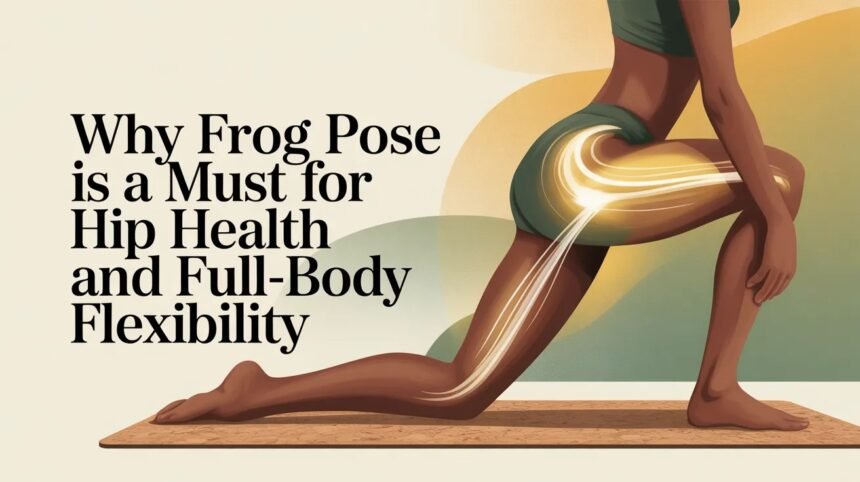
Hip health is often one of the most overlooked aspects of physical fitness, yoga practice, and overall mobility. Tight or immobile hips can lead to a range of issues, including lower back pain, poor posture, restricted movement, and even emotional tension, as the hips are known to store stress in the body. Addressing hip flexibility is therefore crucial not only for athletic performance or yoga practice but also for daily comfort, balance, and overall well-being.
- What Is Frog Pose (Mandukasana)?
- Physical Benefits of Frog Pose
- 1. Deep Hip Opener
- 2. Improves Full-Body Flexibility
- 3. Enhances Circulation and Detoxification
- 4. Relieves Lower Back Tension
- 5. Supports Joint Health
- Mental and Emotional Benefits
- How to Practice Frog Pose Safely
- Modifications and Variations
- Tips for Incorporating Frog Pose Into Your Practice
- Conclusion
The Frog Pose, or Mandukasana, is a highly effective yoga posture that targets the hips, groin, and inner thighs. By deeply opening these areas, Frog Pose improves joint mobility, flexibility, and full-body alignment, making it an essential addition to any yoga or stretching routine. Beyond the physical advantages, Frog Pose also enhances mental focus, mindfulness, and relaxation, encouraging a greater awareness of the body and a sense of calm energy flow. For those looking to cultivate both physical and mental balance, Frog Pose offers a comprehensive practice that addresses multiple aspects of health simultaneously.
What Is Frog Pose (Mandukasana)?
Frog Pose, known as Mandukasana in Sanskrit, is classified as a deep hip-opening posture. It is designed to stretch and lengthen the inner thighs, groin, and hips while simultaneously engaging the core muscles and promoting spinal stability. Its name, Mandukasana, comes from the Sanskrit word “Manduka,” meaning frog, because the body’s position in the pose resembles the crouched, wide-legged stance of a frog.
Practicing Frog Pose regularly can help:
- Release tension in the hips and inner thighs
- Improve flexibility for yoga, sports, or daily movement
- Strengthen stabilizing muscles in the core and lower body
- Enhance circulation and joint health in the pelvic region
- Promote mental clarity and relaxation
How to Perform Frog Pose (Mandukasana)
Frog Pose can be intermediate to advanced, depending on your hip flexibility and body awareness. Beginners may need props such as blankets, bolsters, or yoga blocks for support. Here’s a step-by-step guide:
- Start in a tabletop position: Place your hands directly under your shoulders and knees under your hips.
- Spread the knees apart: Slowly widen the knees while keeping the feet in line with the knees. Your shins and feet should form roughly a 90-degree angle with your thighs.
- Lower the hips: Gently lower your hips toward the floor, keeping the spine neutral and elongated. Avoid collapsing into the lower back.
- Position the arms: Rest your forearms or hands on the mat in front of you to provide support and balance.
- Focus on breath: Take slow, deep breaths to relax the hips and allow the body to sink further into the stretch. Maintain this for 20–60 seconds, depending on comfort and experience.
- Exit mindfully: Bring your knees together slowly and transition into a gentle counterpose, such as Child’s Pose, to release the hips.
For beginners, placing a folded blanket under the knees or hips can reduce pressure and make the pose more accessible, while more advanced practitioners can focus on deepening the hip stretch and holding the pose for longer periods to increase flexibility and mobility.
Physical Benefits of Frog Pose
While Frog Pose (Mandukasana) is primarily recognized as a hip opener, its benefits extend far beyond the hips, making it an essential posture for full-body flexibility, mobility, and overall physical health.
1. Deep Hip Opener
Frog Pose provides a profound stretch for the inner thighs, groin, and hip flexors, which are often tight from prolonged sitting, athletic activity, or lack of movement. Tight hips can lead to lower back pain, restricted range of motion, and poor posture. Regular practice of Frog Pose helps restore natural hip flexibility, allowing you to move more freely and with less discomfort in daily activities.
2. Improves Full-Body Flexibility
Although the pose primarily targets the lower body, it also engages the spine, shoulders, and core. Maintaining a long, aligned spine while spreading the legs and grounding through the forearms enhances overall flexibility and stability, improving your ability to perform other yoga poses, functional movements, and athletic exercises.
3. Enhances Circulation and Detoxification
The deep stretch in the inner thighs and pelvis stimulates blood flow to the lower body and pelvic region, which can aid in the detoxification of tissues and promote overall cellular health. Improved circulation also supports nutrient delivery to muscles and joints, helping the body recover and function efficiently.
4. Relieves Lower Back Tension
Tight hips often create compensatory strain on the lower back. By opening the hips and releasing tension in the hip flexors and inner thighs, Frog Pose reduces stress on the lumbar region, alleviating chronic stiffness, lower back discomfort, and postural imbalances.
5. Supports Joint Health
Regular practice strengthens and mobilizes the hip, knee, and ankle joints, increasing range of motion and flexibility while reducing the risk of injury. This makes Frog Pose a valuable component of any preventative fitness or yoga routine.
Mental and Emotional Benefits
Frog Pose is not only a physical stretch but also a posture that fosters mental clarity, emotional balance, and relaxation.
1. Reduces Stress
Holding Frog Pose with slow, deep breathing activates the parasympathetic nervous system, encouraging relaxation and reducing stress hormones. This can help you feel calmer, more centered, and emotionally stable.
2. Enhances Mindfulness
The intensity of the stretch naturally draws attention inward, encouraging practitioners to focus on the breath, bodily sensations, and alignment. This mindfulness practice enhances present-moment awareness, improving mental focus and emotional resilience.
3. Releases Emotional Tension
Hips are often considered storage areas for emotional stress and trauma. Deep hip-opening poses like Frog Pose can help release this tension, allowing both the body and mind to feel lighter, freer, and more balanced. Many practitioners report a sense of emotional release and mental clarity after holding this pose regularly.
In essence, Frog Pose is a holistic yoga posture that combines physical strength, flexibility, and joint health with mental calmness and emotional release, making it a must-practice for anyone seeking a well-rounded approach to health and wellness.
How to Practice Frog Pose Safely
Frog Pose (Mandukasana) is a deep hip-opening posture, which makes it highly effective but also intense for beginners or those with tight hips. Practicing it safely ensures you reap the full benefits without strain or injury. Follow these steps:
Step-by-Step Instructions
- Warm-Up First: Begin with gentle hip-openers such as Child’s Pose, Low Lunge, or Bound Angle Pose to prepare the hips, inner thighs, and groin. Warming up reduces the risk of strain.
- Protect Your Knees and Floor: Place a folded blanket or mat under your knees to cushion them against hard surfaces. This helps prevent discomfort and supports proper alignment.
- Step Into the Pose: From a tabletop position, slowly spread your knees apart, keeping your feet in line with your knees. Lower your hips toward the floor gradually, maintaining control.
- Maintain Spinal Alignment: Keep your spine long and neutral, avoiding collapsing into the lower back. Engage the core lightly to support your torso while allowing the hips to open deeply.
- Use Props if Needed: Yoga blocks or bolsters under the chest, forearms, or hips can help you maintain proper alignment and gradually deepen the stretch without forcing the body.
- Breathe Deeply: Inhale to lengthen the spine, exhale to relax into the hips. Deep, steady breathing supports muscle release, improves circulation, and encourages mindfulness.
- Hold the Pose Safely: Beginners can start with 20–30 seconds, gradually increasing to 1–2 minutes as flexibility improves. Avoid pushing beyond your comfort level.
- Exit Slowly: Bring your knees together mindfully and transition into Child’s Pose or a gentle counterpose to release tension in the hips and spine.
Modifications and Variations
Frog Pose can be adapted for all levels of practice:
- Beginner: Keep the hips slightly lifted and place a folded blanket under the knees. Avoid forcing a deep stretch.
- Intermediate: Rest forearms on the floor and maintain a long spine, gradually deepening the hip opening.
- Advanced: Lower the chest onto a bolster or the floor, extend the arms forward, and deepen the stretch for full hip engagement.
- Restorative: Use multiple props under the knees, chest, or hips, holding the pose for several minutes to encourage relaxation, release tension, and emotional calm.
Tips for Incorporating Frog Pose Into Your Practice
Incorporating Frog Pose into your regular yoga or stretching routine can help you unlock its full benefits for hip flexibility, joint health, and overall body balance. To get the most out of this deep hip opener, it’s important to approach it mindfully and consistently. Here are some practical tips to help you make Frog Pose a safe and effective part of your practice:
- Warm Up Your Hips: Start with gentle stretches to loosen your hips before diving into Frog Pose. This helps prevent injury and makes the pose more effective.
- Create a Hip-Opening Flow: Combine Frog Pose with other hip-openers like Lizard Pose, Pigeon Pose, or Garland Pose for a well-rounded sequence that stretches and strengthens the lower body.
- Breathe Mindfully: Focus on slow, deep breaths while in the pose. Breathing fully helps your hips relax, improves flexibility, and brings calm to your mind.
- Make It a Habit: Even practicing Frog Pose for a few minutes each day can gradually increase hip mobility, improve posture, and enhance overall flexibility.
- Respect Your Body: Listen to how your hips and knees feel. The pose should challenge you gently—not cause pain. Move slowly and adjust as needed.
Conclusion
The Frog Pose (Mandukasana) is far more than a hip stretch—it is a holistic posture that promotes full-body flexibility, joint health, and emotional release. By opening the hips, strengthening the spine, and encouraging mindful awareness, Frog Pose supports:
- Physical vitality through improved mobility and joint health
- Mental clarity by fostering mindfulness and inward focus
- Emotional balance by releasing stored tension in the hips
Incorporating Frog Pose into your yoga practice or daily stretching routine can alleviate lower back pain, improve posture, and enhance overall flexibility, making it a must for anyone seeking healthier hips and a more mobile, balanced body. With mindful practice, proper alignment, and consistent repetition, Frog Pose unlocks freedom of movement, emotional resilience, and long-term hip health—benefits that extend far beyond the yoga mat.