

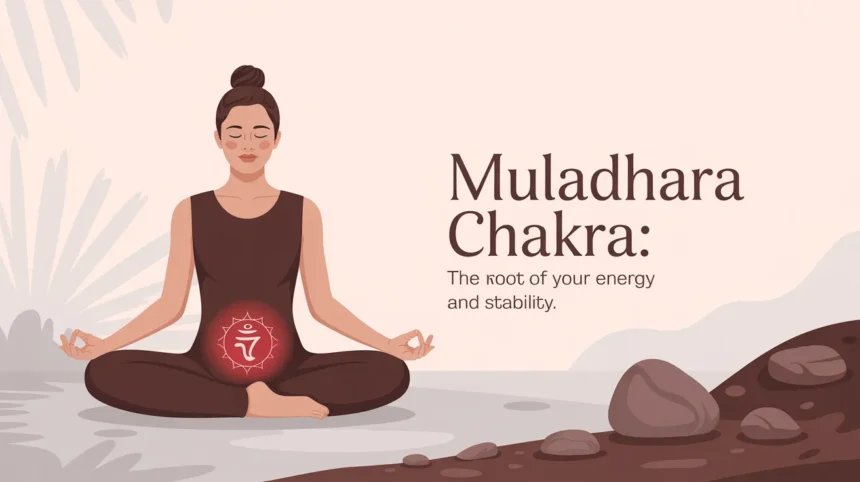
In the journey of self-awareness, personal growth, and energy alignment, the Muladhara Root chakra, commonly known as the Root Chakra, plays a crucial and foundational role. As the very base of the chakra system, the Muladhara Root serves as the energetic anchor for the body and mind, connecting you to the physical world and providing a sense of stability. It governs our most fundamental needs, including safety, security, survival, and groundedness. When the Muladhara Root is weak or imbalanced, the rest of the chakra system can feel unstable, leading to fear, anxiety, restlessness, and disconnection from your body and surroundings.
- What is the Muladhara Chakra?
- The Significance of the Root Chakra
- Characteristics and Associations of the Muladhara Chakra
- Physical and Emotional Signs of a Balanced Root Chakra
- Signs of an Imbalanced Root Chakra
- How to Activate and Balance Your Root Chakra
- 1. Grounding Practices
- 2. Yoga Poses for Root Chakra Activation
- 3. Meditation and Visualization
- 4. Aromatherapy and Crystals
- 5. Lifestyle Practices
- The Root Chakra and Life Balance
- Conclusion
Understanding the Muladhara Root is essential for anyone seeking balance, energy alignment, and vitality. This chakra not only supports physical health but also influences emotional resilience, mental clarity, and spiritual awareness. By developing awareness and practices that strengthen the Muladhara Root, you can establish a stable foundation, enabling personal growth, confidence, and a deep sense of inner security and empowerment.
What is the Muladhara Chakra?
The term Muladhara comes from Sanskrit, where “Mula” means root and “Adhara” means support or base. True to its name, this chakra forms the base of the seven main energy centers in the body, anchoring your energy and connecting you to the physical world. It is located at the base of the spine, near the tailbone, and governs essential life functions, including survival instincts, security, and the sense of being grounded in the present moment.
The Muladhara Chakra is traditionally depicted as a red lotus with four petals, a symbol of stability, rootedness, and vitality. Its rich red color reflects life force energy, passion, and the primal energy that sustains our physical existence. Associated with the element of earth, it embodies qualities such as strength, solidity, groundedness, and reliability. Just as the roots of a tree provide support and nourishment, a balanced Muladhara Chakra establishes the foundation upon which physical, emotional, and spiritual health can flourish.
When the root chakra is balanced, it fosters a deep sense of trust, safety, and connection—both to your body and to the world around you. Conversely, when it is blocked or imbalanced, it can manifest as fear, insecurity, restlessness, and disconnection, affecting your overall energy and sense of well-being. Recognizing the significance of the Muladhara Chakra is the first step toward anchoring your energy, building stability, and cultivating a life of grounded awareness.
The Significance of the Root Chakra
The Muladhara Chakra is often referred to as the foundation of the chakra system, as it governs both physical stability and emotional security. Just as a tree cannot grow without strong, deep roots, the human energy system depends on a balanced root chakra to function optimally. When the Muladhara is in harmony, it creates a solid base that supports the flow of energy through all other chakras, allowing you to experience vitality, groundedness, and inner confidence.
Signs of a balanced root chakra include:
- Physical vitality and energy: A strong sense of stamina and resilience in daily activities.
- Emotional security and calmness: Feeling safe, stable, and emotionally centered even in uncertain situations.
- Groundedness in daily life: Being present, focused, and connected to your body and surroundings.
- Confidence in survival and stability: Trusting that your basic needs will be met and that you have the resources to navigate challenges.
Conversely, an imbalanced or blocked Muladhara Chakra can manifest in various emotional, mental, and physical symptoms:
Emotional and mental signs:
- Persistent fear, anxiety, or insecurity
- Lack of motivation or difficulty focusing
- Feelings of restlessness or disconnection from your body
Physical signs:
- Lower back pain, sciatica, or stiffness in the legs and hips
- Digestive problems, fatigue, or low energy
- General feeling of heaviness or lethargy
An imbalanced root chakra can affect not just your energy flow but also your sense of stability and confidence, underscoring why nurturing this chakra is essential for holistic well-being.
Characteristics and Associations of the Muladhara Chakra
Each chakra in the body carries unique characteristics, symbolism, and associations, reflecting its role in the energy system. The Muladhara Chakra is no exception and is associated with the following attributes:
- Color: Red – symbolizing life force, vitality, strength, and primal energy.
- Element: Earth – representing stability, grounding, and a connection to the physical world.
- Location: Base of the spine (tailbone area) – the physical anchor of energy in the body.
- Mantra (Bija Mantra): “Lam” – chanting this seed sound helps activate and energize the root chakra.
- Glands: Adrenal glands – influencing stress response, energy levels, and the body’s fight-or-flight mechanisms.
- Sense: Smell – enhancing awareness of the immediate environment and connection to the material world.
Together, these characteristics define the role of the Muladhara Chakra as a grounding force, linking your physical body to emotional stability, survival instincts, and a sense of security. By understanding these associations, you can begin to identify imbalances and implement practices that strengthen your roots, providing a strong foundation for personal growth and spiritual development.
Physical and Emotional Signs of a Balanced Root Chakra
A balanced Muladhara Chakra creates a strong foundation for both your physical and emotional well-being. When this chakra is open and energized, it promotes a sense of grounding, security, and stability, enabling you to navigate life with confidence and resilience.
Common signs of a balanced root chakra include:
- Feeling secure in your surroundings and relationships: You trust your environment and the people around you, fostering emotional safety.
- Confidence in your ability to provide for yourself: You feel capable of meeting your basic needs and managing life’s challenges.
- Stability in daily routines and decision-making: A strong root chakra supports consistency, focus, and practical problem-solving.
- Strong connection to your body and physical health: You are present in your body, aware of its needs, and responsive to its signals.
- Ability to handle stress and uncertainty without fear: Challenges feel manageable, and you maintain composure under pressure.
A well-balanced Muladhara Chakra serves as a steady anchor, allowing the energy of the higher chakras to flow freely and harmoniously throughout the body.
Signs of an Imbalanced Root Chakra
When the root chakra is blocked, underactive, or overactive, it disrupts both your energy flow and your sense of stability. These imbalances can manifest in emotional, mental, and physical ways:
Emotional and mental signs:
- Chronic anxiety, fear, or worry
- Feeling ungrounded, disconnected, or detached from reality
- Restlessness, indecisiveness, or lack of focus
- Obsessive attachment to material possessions or security
Physical signs:
- Lower back pain, sciatica, or pelvic tension
- Weakness or instability in the legs, knees, or feet
- Digestive issues, constipation, or bloating
- Fatigue, low energy, or feelings of heaviness
Recognizing these signs is the first step toward restoring balance. Awareness allows you to implement grounding techniques, physical practices, and mindfulness exercises that strengthen the root chakra, helping you feel safe, stable, and fully present in your body and life.
How to Activate and Balance Your Root Chakra
The Muladhara Chakra, or Root Chakra, serves as the foundation of your energy system, connecting you to the physical world and fostering a sense of safety, stability, and groundedness. When this chakra is blocked or imbalanced, you may experience fear, restlessness, or physical tension. The good news is that through intentional practices, you can activate and balance your root chakra, restoring energy flow and emotional resilience.
Here are several effective techniques to strengthen and harmonize the Muladhara Chakra:
1. Grounding Practices
Grounding practices help you connect directly with the earth, anchoring your energy and promoting stability:
- Walking barefoot: Stroll barefoot on grass, sand, or soil to absorb energy from the earth and feel rooted in the present moment.
- Spending time in nature: Sit, walk, or meditate outdoors to benefit from natural stability, calmness, and fresh energy.
- Engaging the senses: Focus on tactile sensations, the smell of soil or grass, and sounds of nature to enhance your awareness and grounding.
Regular grounding encourages mental clarity, emotional balance, and a sense of security, which directly supports a healthy root chakra.
2. Yoga Poses for Root Chakra Activation
Certain yoga poses strengthen the lower body and pelvic region, directly stimulating the Muladhara Chakra:
- Mountain Pose (Tadasana): Promotes alignment, posture awareness, and a feeling of stability.
- Warrior I & II (Virabhadrasana I & II): Build leg strength, focus, and endurance, reinforcing groundedness.
- Squat Pose (Malasana): Opens the hips and activates the pelvic region, where the root chakra resides.
- Seated Forward Fold (Paschimottanasana): Enhances grounding, encourages spinal length, and fosters inward focus.
- Bridge Pose (Setu Bandhasana) or Goddess Pose (Utkata Konasana): Optional additions to strengthen the lower spine, hips, and thighs.
Consistency with these postures enhances physical stability, circulation, and energy flow, all of which support a balanced root chakra.
3. Meditation and Visualization
Meditation and visualization are powerful tools to awaken and balance the Muladhara Chakra:
- Visualize energy: Imagine a red spinning wheel of energy at the base of your spine, radiating warmth, strength, and stability.
- Focus on grounding sensations: Feel your connection to the floor, your chair, or the earth, anchoring yourself in the present moment.
- Chant the seed mantra “Lam”: Repeating this sound activates the root chakra, helping energy flow freely.
- Mindful awareness: While meditating, bring attention to your breathing and body sensations to cultivate a deep sense of rootedness and safety.
Daily meditation strengthens not only the chakra but also mental resilience and emotional calmness.
4. Aromatherapy and Crystals
Certain scents and crystals can support root chakra healing by enhancing grounding and focus:
- Essential oils: Patchouli, cedarwood, sandalwood, and vetiver help calm the mind and anchor energy.
- Crystals: Red jasper, garnet, hematite, and black tourmaline are traditionally associated with Muladhara, promoting stability and strength.
- Application: Place crystals near your workspace, meditate with them, or use essential oils in a diffuser during grounding practices.
These tools amplify the effects of yoga, meditation, and other grounding exercises.
5. Lifestyle Practices
Your daily habits can either support or hinder root chakra balance. Consider incorporating:
- Healthy routines: Prioritize consistent sleep, nutrition, and physical activity to reinforce energy and vitality.
- Organized environment: Create a clean, safe, and orderly home or workspace to foster a sense of security.
- Body-centered activities: Gardening, dancing, walking, or other physical practices keep you connected to your body and the earth.
- Mindful financial practices: Feeling secure in material matters helps cultivate emotional and energetic stability.
By integrating these practices, you support long-term physical, emotional, and energetic balance.
The Root Chakra and Life Balance
A healthy Muladhara Chakra forms the foundation for all other chakras. When the root is strong, you are better able to:
- Navigate challenges without fear or anxiety
- Build meaningful, trusting relationships
- Pursue goals with focus, persistence, and confidence
- Experience overall physical and emotional well-being
Essentially, a balanced root chakra allows you to feel fully present, supported, and grounded, giving you the stability to explore higher levels of consciousness and self-development through the other chakras.
Conclusion
The Muladhara Root is the cornerstone of your energy system, governing your sense of security, stability, and groundedness. By practicing Muladhara Root meditation, yoga, visualization, grounding exercises, and mindful lifestyle habits, you can restore balance, release fear, and cultivate a deep sense of inner strength and vitality.
Whether through daily practices, physical activity, or mindful adjustments to your environment, nurturing your Muladhara Root is essential for a stable, empowered, and harmonious life. By strengthening this foundational chakra, you create a strong base from which your body, mind, and spirit can flourish.