
Yoga is more than just stretching or bending your body into interesting shapes. It’s a full practice that nurtures your body, mind, and spirit. When done consistently, yoga helps improve your flexibility, builds strength, enhances balance, and reduces stress. The beauty of yoga is that it can be adapted for everyone. You don’t have to be an advanced athlete or extremely flexible to start. Even a few minutes of daily practice can help you feel stronger, more focused, and happier.
- 1. Mountain Pose (Tadasana)
- 2. Downward Facing Dog (Adho Mukha Svanasana)
- 3. Warrior I (Virabhadrasana I)
- 4. Warrior II (Virabhadrasana II)
- 5. Tree Pose (Vrikshasana)
- 6. Cat-Cow Stretch (Marjaryasana-Bitilasana)
- 7. Cobra Pose (Bhujangasana)
- 8. Bridge Pose (Setu Bandhasana)
- 9. Seated Forward Bend (Paschimottanasana)
- 10. Triangle Pose (Trikonasana)
- 11. Chair Pose (Utkatasana)
- 12. Plank Pose
- 13. Side Plank (Vasisthasana)
- 14. Boat Pose (Navasana)
- 15. Corpse Pose (Savasana)
- Conclusion
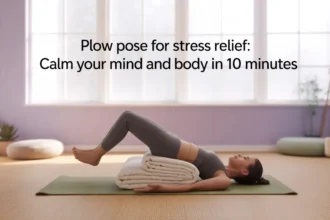
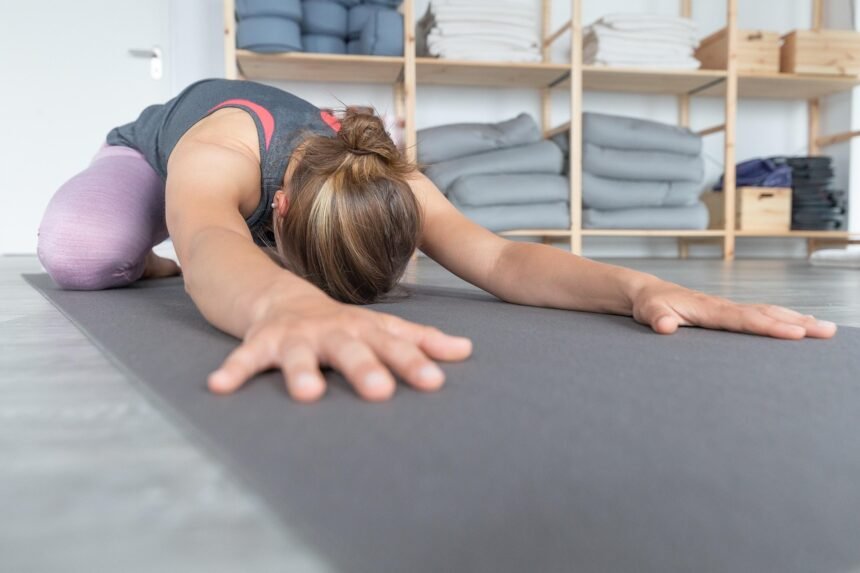
Many people think yoga is only for adults or for those with a “perfect body,” but that’s far from the truth. Yoga meets you wherever you are—whether you are a beginner, a teenager, or someone looking for gentle exercise. Over time, daily yoga can help you move more easily, breathe more calmly, and feel more connected to your body.
In this article, we’ll explore 15 yoga exercises that you can practice daily. Each pose is designed to enhance flexibility, strengthen key muscles, and improve balance. You’ll also discover the mental and emotional benefits of each pose. By the end, you’ll have a well-rounded routine that can be done at home, at the gym, or even outside in nature.
1. Mountain Pose (Tadasana)
Mountain Pose may look simple at first because you’re just standing still, but it is one of the most foundational yoga poses. It teaches proper posture, alignment, and awareness of your body. This pose is often the starting point for many other yoga sequences because it helps you connect your mind and body before movement.
How to do it:
- Stand with your feet together or slightly apart.
- Press your weight evenly into both feet, feeling grounded.
- Lengthen your spine and gently lift your chest.
- Relax your shoulders, keeping them away from your ears.
- Breathe deeply, focusing on feeling tall and centered.
Benefits:
- Improves posture and spinal alignment
- Strengthens legs, ankles, and core muscles
- Promotes focus, calmness, and grounding
Tip: Try closing your eyes while in Mountain Pose to challenge your balance and enhance mental focus.
2. Downward Facing Dog (Adho Mukha Svanasana)
Downward Facing Dog is a classic pose that stretches the whole body while also building strength in your arms and shoulders. Although it may feel challenging at first, with consistent practice, it helps lengthen the spine and release tension from your back, neck, and legs.
How to do it:
- Begin on hands and knees, with wrists under shoulders and knees under hips.
- Spread your fingers wide and press your palms firmly into the floor.
- Lift your hips toward the ceiling, forming an inverted “V” shape.
- Keep your head relaxed and gaze toward your thighs or navel.
- Hold for 5–10 deep breaths.
Benefits:
- Stretches hamstrings, calves, and spine
- Strengthens arms, shoulders, and core
- Relieves tension and fatigue in the back
Tip: Bend your knees slightly if your hamstrings feel tight. Focus on lengthening the spine rather than forcing straight legs.
3. Warrior I (Virabhadrasana I)
Warrior I is a powerful standing pose that builds strength in your legs, opens your hips, and improves balance. Beyond physical benefits, it also helps cultivate focus, determination, and a sense of grounding.
How to do it:
- Step your right foot forward and bend your knee at a 90-degree angle.
- Keep your left leg straight with the foot angled slightly outward.
- Raise your arms overhead, keeping shoulders relaxed.
- Look forward or slightly upward.
- Hold for 5–10 breaths and repeat on the other side.
Benefits:
- Strengthens legs, glutes, and arms
- Improves balance and stability
- Boosts confidence and focus
Tip: Keep your hips squared forward for maximum effectiveness and to prevent strain in the back.
4. Warrior II (Virabhadrasana II)
Warrior II is similar to Warrior I but focuses on lateral stretching and stability. It strengthens your legs and core while improving endurance and posture. This pose is great for cultivating both physical and mental resilience.
How to do it:
- Step your feet wide apart in a standing position.
- Turn your right foot outward and bend your right knee over your ankle.
- Extend your arms out to the sides, parallel to the floor.
- Look over your right hand and hold for several breaths.
- Repeat on the opposite side.
Benefits:
- Strengthens legs, core, and shoulders
- Opens the hips and chest
- Improves focus, balance, and endurance
Tip: Keep your back leg strong and engaged to maintain balance and prevent leaning forward.
5. Tree Pose (Vrikshasana)
Tree Pose is a classic balance pose that challenges your stability while improving concentration. It also strengthens the legs, ankles, and core while teaching patience and body awareness.
How to do it:
- Stand tall with feet together.
- Shift your weight onto your left leg.
- Place the sole of your right foot on your left inner thigh or calf (avoid the knee).
- Bring your hands together at your chest or stretch them overhead.
- Hold for 5–10 breaths, then switch sides.
Benefits:
- Improves balance, focus, and coordination
- Strengthens ankles, calves, and thighs
- Encourages mindfulness and body awareness
Tip: Use a wall for support if you’re just starting out, and gradually try closing your eyes to improve balance.
6. Cat-Cow Stretch (Marjaryasana-Bitilasana)
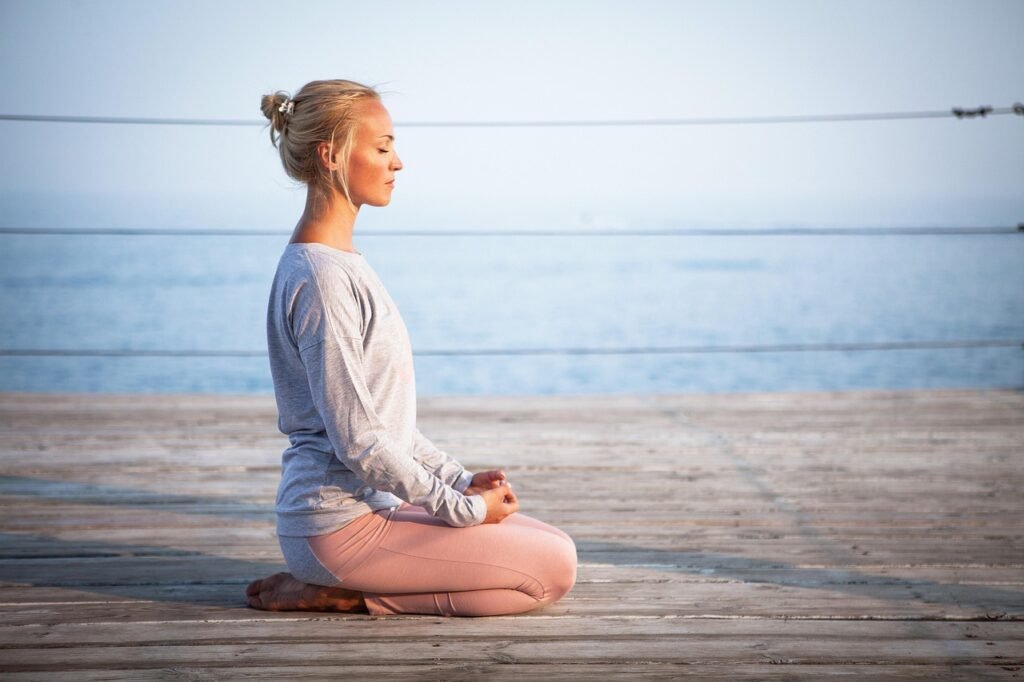
Cat-Cow is a gentle spinal flow that warms up the back, releases tension, and prepares your body for deeper stretches. It’s perfect for beginners and can also be used as a warm-up for more advanced poses.
How to do it:
- Begin on hands and knees, wrists under shoulders, knees under hips.
- Inhale and arch your back (Cow Pose), lifting your head and tailbone.
- Exhale and round your spine (Cat Pose), tucking your chin and pelvis.
- Repeat 8–10 times slowly.
Benefits:
- Improves spinal flexibility and mobility
- Relieves tension in the back and neck
- Prepares the body for other yoga poses
Tip: Synchronize each movement with your breath for a more calming and meditative effect.
7. Cobra Pose (Bhujangasana)
Cobra Pose is a backbend that strengthens the spine and opens the chest. It helps improve posture, flexibility, and circulation, making it a great counterpose for people who sit for long hours.
How to do it:
- Lie on your stomach with legs together, hands under shoulders.
- Press into your palms and lift your chest, keeping elbows slightly bent.
- Relax your shoulders and gaze forward.
- Hold for 5–10 breaths.
Benefits:
- Strengthens spine and back muscles
- Opens chest, shoulders, and lungs
- Improves flexibility in the spine
Tip: Avoid forcing your chest up; lift only as far as your spine feels comfortable.
8. Bridge Pose (Setu Bandhasana)
Bridge Pose is a powerful backbend that stretches the chest, spine, and hip flexors while strengthening the glutes, legs, and lower back. It’s ideal for counteracting long hours of sitting and improving posture.
How to do it:
- Lie on your back with knees bent and feet hip-width apart, close enough to your hips.
- Press your feet and arms firmly into the floor.
- Lift your hips toward the ceiling, keeping your thighs and inner feet parallel.
- Clasp your hands under your back for extra support if comfortable.
- Hold for 5–10 breaths, then slowly lower your hips.
Benefits:
- Strengthens glutes, hamstrings, and lower back
- Opens chest, shoulders, and spine
- Improves circulation and reduces fatigue
Tip: For a deeper stretch, press your shoulders into the mat and gently lift your chest toward your chin without straining your neck.
9. Seated Forward Bend (Paschimottanasana)
Seated Forward Bend is a soothing stretch that targets the spine, hamstrings, and calves. It also promotes relaxation and helps release mental tension, making it a perfect pose for calming the mind.
How to do it:
- Sit on the floor with legs extended straight in front of you.
- Inhale and lengthen your spine, sitting tall.
- Exhale and fold forward, reaching toward your feet or shins.
- Keep your back as straight as possible and relax your neck.
- Hold for 5–10 breaths.
Benefits:
- Stretches spine, hamstrings, and calves
- Calms the nervous system and reduces stress
- Stimulates digestion and relieves mild anxiety
Tip: Use a yoga strap or towel around your feet if you cannot reach them. Focus on folding from your hips, not rounding your back.
10. Triangle Pose (Trikonasana)
Triangle Pose is a full-body stretch that improves balance, flexibility, and overall body awareness. It engages the legs, core, and sides of the torso, making it a great pose for strength and stability.
How to do it:
- Stand with feet wide apart.
- Turn your right foot outward and extend your arms parallel to the floor.
- Reach forward with your right hand, tilting your torso to the right.
- Place your hand on your shin, ankle, or the floor, and extend your left arm upward.
- Hold for 5–10 breaths, then repeat on the other side.
Benefits:
- Strengthens legs, core, and back muscles
- Stretches hips, hamstrings, and torso
- Improves posture, focus, and balance
Tip: Keep both legs straight but avoid locking the knees. Gaze can be upward, forward, or down depending on comfort.
11. Chair Pose (Utkatasana)
Chair Pose is a strength-building pose that targets the legs, glutes, and core while also challenging your stamina and concentration. It’s often called the “yoga squat” because it engages your thighs and lower body intensely.
How to do it:
- Stand with feet hip-width apart.
- Bend your knees as if sitting into an invisible chair.
- Extend your arms overhead, keeping shoulders relaxed.
- Engage your core and lengthen your spine.
- Hold for 5–10 breaths.
Benefits:
- Strengthens thighs, calves, glutes, and core
- Increases stamina and endurance
- Improves balance and body awareness
Tip: Keep your weight in your heels and avoid letting your knees go past your toes. Imagine sitting back into a chair rather than leaning forward.
12. Plank Pose
Plank is one of the most effective core-strengthening poses. It engages the entire body, including arms, shoulders, back, and legs, while improving posture and overall stability.
How to do it:
- Start on your hands and knees.
- Step your feet back, forming a straight line from head to heels.
- Keep hands under shoulders and core fully engaged.
- Hold for 20–60 seconds depending on your strength and experience.
Benefits:
- Strengthens core, shoulders, arms, and legs
- Improves posture and endurance
- Prepares the body for more advanced yoga poses
Tip: Avoid sagging your hips or raising your buttocks too high. Imagine drawing a straight line from your head to your heels.
13. Side Plank (Vasisthasana)
Side Plank is an advanced variation of Plank that targets the oblique muscles, arms, and legs while enhancing balance and stability. It’s a great pose for developing lateral strength and body awareness.
How to do it:
- Start in Plank Pose.
- Shift your weight onto your right hand and the outer edge of your right foot.
- Stack your left foot on top of your right.
- Lift your left arm toward the ceiling and gaze upward.
- Hold for 5–10 breaths, then switch sides.
Benefits:
- Strengthens obliques, core, arms, and legs
- Improves balance and coordination
- Enhances focus and body control
Tip: Beginners can keep the bottom knee on the floor for extra support until they build strength and stability.
14. Boat Pose (Navasana)
Boat Pose is a powerful core-strengthening pose that also improves balance and spinal strength. It engages the abdominal muscles while teaching concentration and mental endurance.
How to do it:
- Sit on the floor with knees bent and feet flat.
- Lean back slightly while keeping your spine straight.
- Lift your feet off the floor, balancing on your sitting bones.
- Extend your arms forward, parallel to the floor.
- Straighten your legs if possible, and hold for 5–10 breaths.
Benefits:
- Strengthens abdominal muscles and spine
- Improves balance and focus
- Boosts mental concentration and stamina
Tip: Keep your chest lifted and spine straight. If your hamstrings are tight, keep knees bent until you gain flexibility.
15. Corpse Pose (Savasana)
Savasana may look like doing nothing, but it’s the most important pose for integrating the benefits of your yoga practice. It allows your body to rest, recover, and absorb the effects of the exercises.
How to do it:
- Lie flat on your back with legs slightly apart.
- Let your arms rest comfortably at your sides, palms facing up.
- Close your eyes and focus on your natural breathing.
- Stay here for 5–10 minutes.
Benefits:
- Promotes deep relaxation and stress relief
- Reduces anxiety and mental fatigue
- Helps the body absorb the physical and mental benefits of yoga
Tip: Focus on releasing tension from every part of your body, from your toes to your head. Use Savasana as a mini-meditation to recharge your energy.
Conclusion
Incorporating these 15 daily yoga exercises into your routine can be transformative. Over time, you’ll notice:
- Increased flexibility: Easier movements, less stiffness, and improved range of motion.
- Stronger muscles: From legs and core to arms and back, yoga builds functional strength.
- Better balance: Poses like Tree and Side Plank enhance stability and coordination.
- Mental clarity: Focusing on breath and posture reduces stress and improves concentration.
- Overall wellness: Yoga promotes body awareness, mindfulness, and relaxation.
You don’t need to spend hours on the mat. Even 15–20 minutes a day of mindful practice can make a noticeable difference in your strength, flexibility, and mental clarity.
Remember, yoga is not about perfection, but about consistency and listening to your body. Start slow, honor your limits, and gradually challenge yourself. With daily practice, yoga will become not just a routine, but a tool for a stronger body, calmer mind, and more balanced life.