
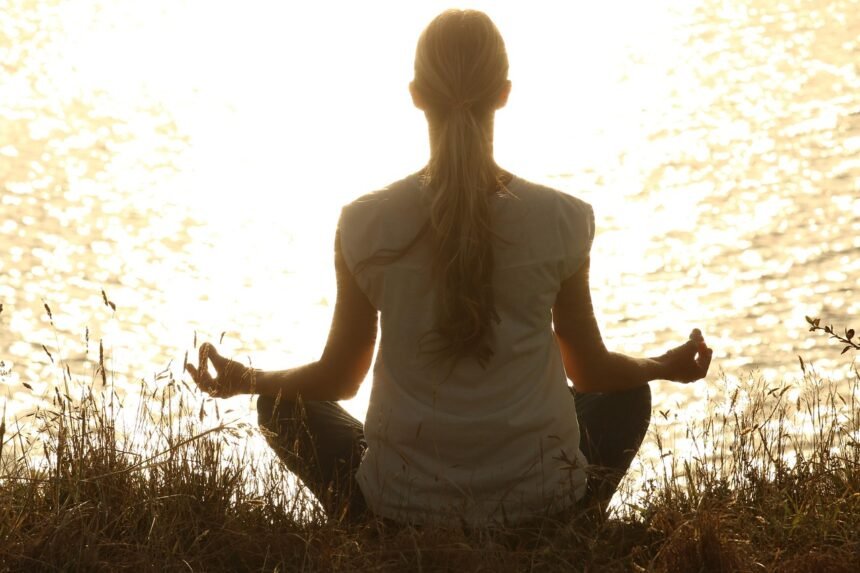
Long-term mental stress affects both the mind and the body. Constant thinking, too much screen time, poor sleep, and ongoing social or financial pressure keep the body in a state of stress for long periods. When this continues, it can disturb sleep, slow digestion, weaken the immune system, and affect emotional balance. Over time, people may feel tired, easily irritated, overwhelmed, or mentally drained.
- Understanding Stress, Anxiety, and the Role of Yoga
- How Yoga Helps Reduce Stress and Anxiety (Science-Backed Explanation)
- Effect of Yoga on the Nervous System
- Yoga vs Meditation vs Exercise for Mental Calm
- Who Can Practice Stress-Relief Yoga?
- Best Time and Environment to Practice Yoga for Mental Calm
- 4. Top Yoga Poses for Stress Relief, Anxiety, and Mental Calm
- 4.1 Child’s Pose (Balasana)
- 4.2 Cat-Cow Pose (Marjaryasana–Bitilasana)
- 4.3 Standing Forward Bend (Uttanasana)
- 4.4 Seated Forward Bend (Paschimottanasana)
- 4.5 Legs Up the Wall Pose (Viparita Karani)
- 4.6 Bridge Pose (Setu Bandhasana)
- 4.7 Reclining Bound Angle Pose (Supta Baddha Konasana)
- 4.8 Corpse Pose (Shavasana)
- 4.9 Easy Pose with Deep Breathing (Sukhasana)
- 4.10 Supine Spinal Twist (Supta Matsyendrasana)
- 5. Breathing Techniques (Pranayama) to Enhance Mental Calm
- 6. Short Yoga Routines for Stress & Anxiety
- 6. Short Yoga Routines for Stress & Anxiety
- 6.1 10-Minute Routine for Quick Stress Relief
- 6.2 20-Minute Evening Routine for Deep Relaxation
- 6.3 Bedtime Routine for Stress and Sleep
- 7. Common Mistakes to Avoid
- 8. Lifestyle Tips to Support Yoga for Mental Wellness
- 8.1 Maintain a Consistent Sleep Schedule
- 8.2 Reduce Caffeine and Screen Time
- 8.3 Stay Hydrated and Eat Mindfully
- 8.4 Practice Journaling or Gratitude
- 8.5 Additional Lifestyle Practices to Enhance Mental Wellness
- 9. Frequently Asked Questions (FAQs)
- 10. Final Thoughts: Making Yoga a Daily Tool for Mental Peace
Yoga offers a gentle and natural way to calm the nervous system and restore balance. Instead of only easing symptoms, yoga works at the root of stress and anxiety by combining slow movement, controlled breathing, and mindful awareness. This practice helps the body relax, supports emotional stability, and clears the mind. In this guide, you will learn how yoga helps reduce stress and anxiety, discover calming yoga poses, and follow simple routines that can help you feel more relaxed, steady, and at peace in daily life.
Understanding Stress, Anxiety, and the Role of Yoga
Stress is the body’s natural response to challenges or demands. It can be short-term (acute stress) or long-term (chronic stress). Anxiety, on the other hand, is a persistent feeling of worry, fear, or unease—even when there is no immediate threat. Mental fatigue occurs when the brain becomes overstimulated and exhausted due to continuous cognitive load.
While occasional stress is normal, chronic stress and anxiety can lead to:
- Sleep disorders
- Headaches and muscle tension
- Digestive problems
- Low immunity
- Mood swings and burnout
As people look for sustainable and side-effect-free solutions, natural approaches like yoga are gaining popularity. Yoga does not suppress symptoms; instead, it helps regulate the body’s internal systems so the mind can naturally return to a calmer state.
How Yoga Works
Yoga reduces stress and anxiety by influencing:
- The nervous system, shifting the body from “fight or flight” mode to “rest and digest”
- Breath control, slowing down rapid breathing patterns associated with anxiety
- Mind–body connection, improving awareness and emotional regulation
In this guide, you’ll discover:
- Science-backed benefits of yoga for mental health
- The best calming yoga poses
- Breathing techniques for anxiety relief
- Short daily routines for stress management
How Yoga Helps Reduce Stress and Anxiety (Science-Backed Explanation)
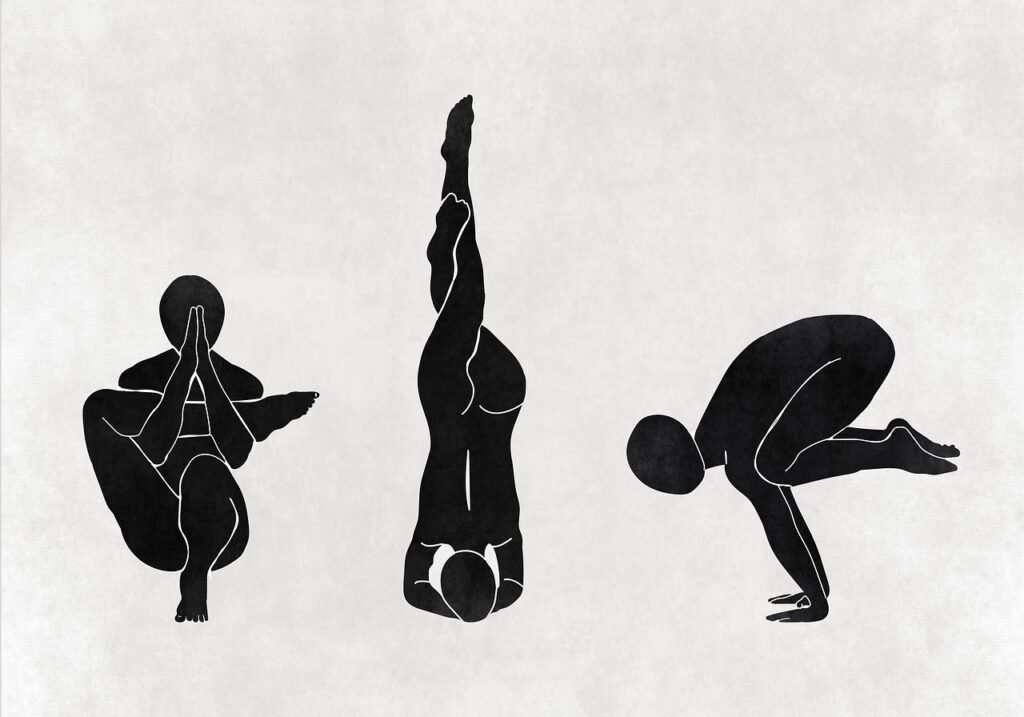
Yoga is more than just physical stretching or relaxation. It is a mind–body practice that directly influences how the body responds to stress. When practiced regularly, yoga helps create a state of balance in which the mind becomes calmer and the body feels more at ease. This happens because yoga works on multiple systems at the same time, including breathing patterns, muscle tension, and nervous system activity.
Scientific studies and clinical observations show that yoga can reduce stress, lower anxiety levels, and improve emotional control. By slowing down the breath and encouraging mindful movement, yoga signals the body that it is safe to relax. This response helps shift the body away from constant alertness and toward a state of rest and recovery. Understanding how yoga affects the nervous system helps explain why it is such an effective tool for managing stress and anxiety naturally.
Effect of Yoga on the Nervous System
Yoga activates the parasympathetic nervous system, which is responsible for relaxation and recovery. This leads to:
- Lower heart rate
- Reduced blood pressure
- Slower, deeper breathing
Regular yoga practice has been shown to reduce levels of cortisol, the primary stress hormone. Certain poses and breathing practices also stimulate the vagus nerve, which plays a key role in emotional regulation and calmness.
Yoga vs Meditation vs Exercise for Mental Calm
Meditation focuses primarily on stillness and awareness, while exercise often increases heart rate and adrenaline. Yoga uniquely combines:
- Physical movement
- Controlled breathing
- Mindful attention
Unlike high-intensity workouts, yoga calms the nervous system rather than overstimulating it, making it especially effective for anxiety relief.
Who Can Practice Stress-Relief Yoga?
Stress-relief yoga is suitable for:
- Beginners with no prior yoga experience
- Office workers dealing with mental fatigue
- Students facing academic pressure
- People with anxiety, insomnia, or emotional stress
⚠️ Disclaimer: Yoga supports mental wellness but should not replace professional medical or psychological treatment when needed.
Best Time and Environment to Practice Yoga for Mental Calm
Choosing the right time and setting for yoga can greatly improve its calming effects on the mind. Practicing yoga in a peaceful environment helps the body relax more easily and allows the mind to settle without distractions.
Best Time to Practice Yoga
- Morning practice: Morning yoga helps start the day with a calm and clear mindset. It gently wakes up the body, improves focus, and prepares the mind to handle daily responsibilities with less stress.
- Evening practice: Yoga in the evening helps release physical and mental tension built up during the day. It slows the nervous system and prepares the body for deep, restful sleep.
Ideal Duration
A daily practice of 10 to 30 minutes is enough to experience noticeable benefits. Consistency is more important than long sessions, especially when the goal is mental calm and stress relief.
Creating a Calming Yoga Space
- Use soft or natural lighting to create a relaxing atmosphere
- Practice in a quiet space or play gentle, soothing music
- Use a comfortable yoga mat and wear loose, breathable clothing
- Keep distractions such as phones or loud noises away
A calm and comfortable environment supports relaxation, improves focus, and allows you to fully benefit from your yoga practice.
4. Top Yoga Poses for Stress Relief, Anxiety, and Mental Calm
Yoga is a powerful tool to relax the mind and restore balance to the nervous system. Certain yoga poses, called asanas, are especially effective in reducing stress, calming anxiety, and promoting mental peace. Practicing these poses regularly helps release tension, improves circulation, and encourages a sense of emotional stability.
Below are some of the most effective yoga poses for mental calm, along with guidance on how to practice them safely at home.
4.1 Child’s Pose (Balasana)
Description:
Child’s Pose is a gentle resting posture that encourages the body to slow down. It creates a feeling of safety and calm, making it one of the most relaxing poses in yoga.
Benefits:
- Calms the mind and relieves anxiety
- Gently stretches the back, hips, and shoulders
- Promotes emotional grounding and inner focus
How to Practice:
- Kneel on the mat with your big toes touching and knees apart.
- Sit back on your heels and fold your torso forward.
- Rest your forehead on the floor or a yoga block.
- Extend your arms forward or place them alongside your body.
Breathing Tip:
Take slow, deep breaths through your nose. Focus on letting the body sink into the mat with each exhale.
Avoid If:
You have knee injuries or severe lower back pain. Use a folded blanket under the knees if needed.
4.2 Cat-Cow Pose (Marjaryasana–Bitilasana)
Description:
Cat-Cow is a gentle, flowing spinal movement coordinated with breath. It warms up the spine while releasing tension from the neck, shoulders, and back.
Benefits:
- Improves spinal flexibility
- Relieves stress and physical tension
- Enhances mood and energy flow
How to Practice:
- Begin on all fours, with wrists under shoulders and knees under hips.
- Inhale, lift your chest, and arch your back (Cow Pose).
- Exhale, round your spine, tuck your chin, and draw the belly in (Cat Pose).
- Repeat slowly 8–10 times.
Breathing Tip:
Match your movements with your breath—inhale for arching, exhale for rounding.
Avoid If:
You have severe spinal injuries or recent back surgery.
4.3 Standing Forward Bend (Uttanasana)
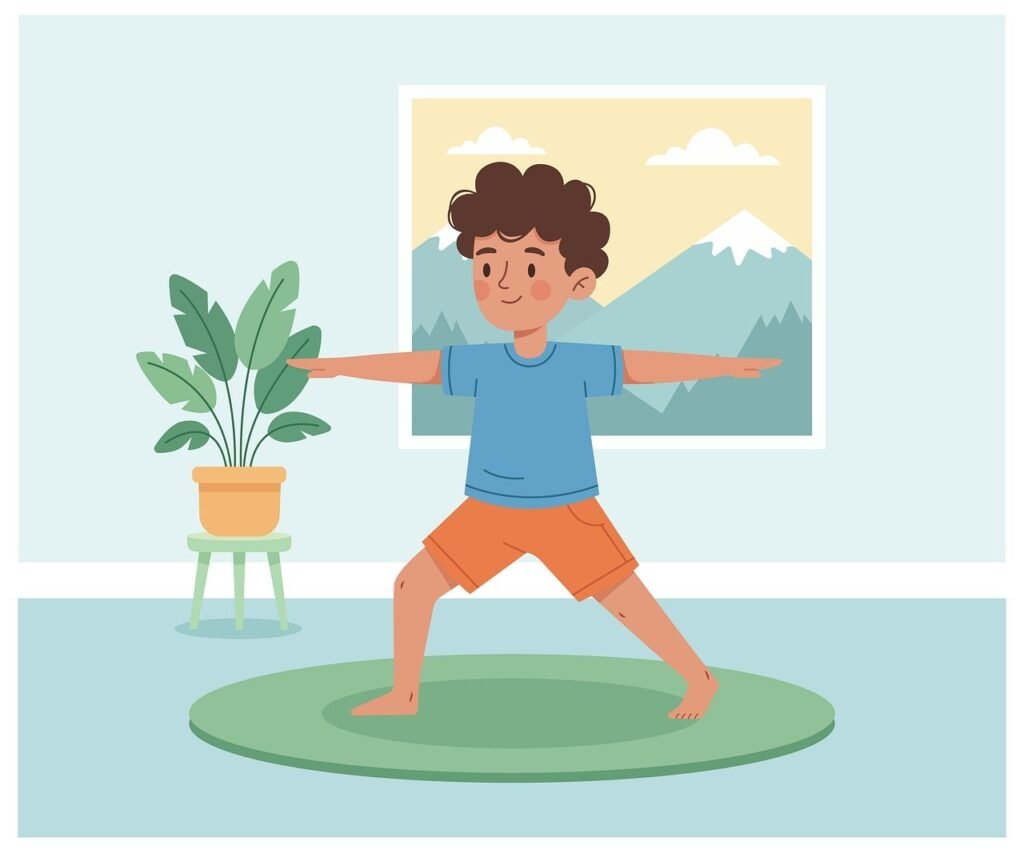
Description:
Uttanasana is a forward fold that allows the head to hang below the heart, helping the nervous system relax.
Benefits:
- Calms the mind and relieves stress
- Reduces fatigue and mental tension
- Gently stretches the hamstrings and spine
How to Practice:
- Stand with feet hip-width apart.
- Hinge at the hips and fold forward, keeping your knees slightly bent if needed.
- Let your head hang and relax your neck.
- Place hands on the floor, a block, or hold opposite elbows.
Breathing Tip:
Focus on long, slow exhalations. Imagine tension flowing out with each breath.
Avoid If:
You have severe lower back problems, vertigo, or high blood pressure.
4.4 Seated Forward Bend (Paschimottanasana)
Description:
A seated stretch that promotes introspection, calmness, and emotional balance.
Benefits:
- Reduces anxiety and stress
- Gently stretches the spine, hamstrings, and shoulders
- Encourages a meditative, inward focus
How to Practice:
- Sit on the floor with legs extended straight.
- Inhale, lengthen your spine, and exhale as you fold forward from the hips.
- Reach hands toward your feet or shins, keeping shoulders relaxed.
- Hold for 30–60 seconds.
Breathing Tip:
Exhale deeply with each forward fold. Relax your head and jaw.
Avoid If:
Hamstring or lower back injuries—use a strap around your feet if needed.
4.5 Legs Up the Wall Pose (Viparita Karani)
Description:
A restorative inversion where the legs rest vertically against a wall. This pose encourages blood flow to the heart and calms the nervous system.
Benefits:
- Relieves anxiety and nervous tension
- Helps reduce insomnia
- Supports relaxation after a long day
How to Practice:
- Sit sideways next to a wall.
- Swing your legs up onto the wall and lie down on your back.
- Adjust your distance from the wall for comfort.
- Rest arms by your sides, palms facing up.
Breathing Tip:
Breathe gently and evenly. Focus on feeling gravity support your body.
Avoid If:
You have glaucoma, severe neck problems, or high blood pressure. Consult a professional first.
4.6 Bridge Pose (Setu Bandhasana)
Description:
A mild backbend that opens the chest and stretches the front body.
Benefits:
- Improves posture and reduces stress-related slouching
- Boosts energy and mood
- Stretches the spine, hips, and chest
How to Practice:
- Lie on your back with knees bent, feet hip-width apart.
- Press feet into the mat and lift your hips.
- Clasp hands under your back or place arms by your sides.
- Hold for 20–30 seconds and slowly lower.
Breathing Tip:
Inhale while lifting, exhale gently while holding the pose.
Avoid If:
Neck injuries or severe spinal problems. Keep a cushion under shoulders if needed.
4.7 Reclining Bound Angle Pose (Supta Baddha Konasana)
Description:
A restorative pose that opens the hips and encourages deep relaxation.
Benefits:
- Promotes emotional release and calm
- Supports hormonal balance
- Reduces stress and anxiety
How to Practice:
- Lie on your back and bring the soles of your feet together.
- Let knees drop to the sides comfortably.
- Place arms by your sides or on the belly.
- Stay for 2–5 minutes, breathing slowly.
Breathing Tip:
Focus on deep belly breathing, feeling the chest and abdomen rise and fall.
Avoid If:
Hip discomfort—use cushions under the knees for support.
4.8 Corpse Pose (Shavasana)
Description:
A lying-down pose for full relaxation and mental integration.
Benefits:
- Deeply calms the nervous system
- Reduces mental tension and fatigue
- Encourages emotional balance and rest
How to Practice:
- Lie flat on your back with legs slightly apart.
- Arms rest comfortably at your sides, palms facing up.
- Close your eyes and focus on relaxing every part of your body.
Practice Tip:
Use a guided meditation or body scan to enhance relaxation.
Avoid If:
None—this pose is safe for everyone.
4.9 Easy Pose with Deep Breathing (Sukhasana)
Description:
A simple seated posture combined with mindful breathing.
Benefits:
- Improves focus and mindfulness
- Calms anxious thoughts
- Encourages emotional awareness
How to Practice:
- Sit cross-legged on the floor or a cushion.
- Keep the spine straight and shoulders relaxed.
- Rest hands on knees or lap.
Breathing Tip:
Breathe slowly in and out through the nose, noticing the rise and fall of the chest.
4.10 Supine Spinal Twist (Supta Matsyendrasana)
Description:
A gentle twist performed lying on the back that releases tension in the spine.
Benefits:
- Relieves mental and physical tension
- Improves digestion and spinal mobility
- Promotes overall relaxation
How to Practice:
- Lie on your back with arms extended to the sides.
- Bend one knee and gently drop it across the body to the opposite side.
- Turn your head in the opposite direction of the knee.
- Hold for 30–60 seconds and switch sides.
Breathing Tip:
Exhale slowly into the twist, feeling the body relax deeper with each breath.
5. Breathing Techniques (Pranayama) to Enhance Mental Calm
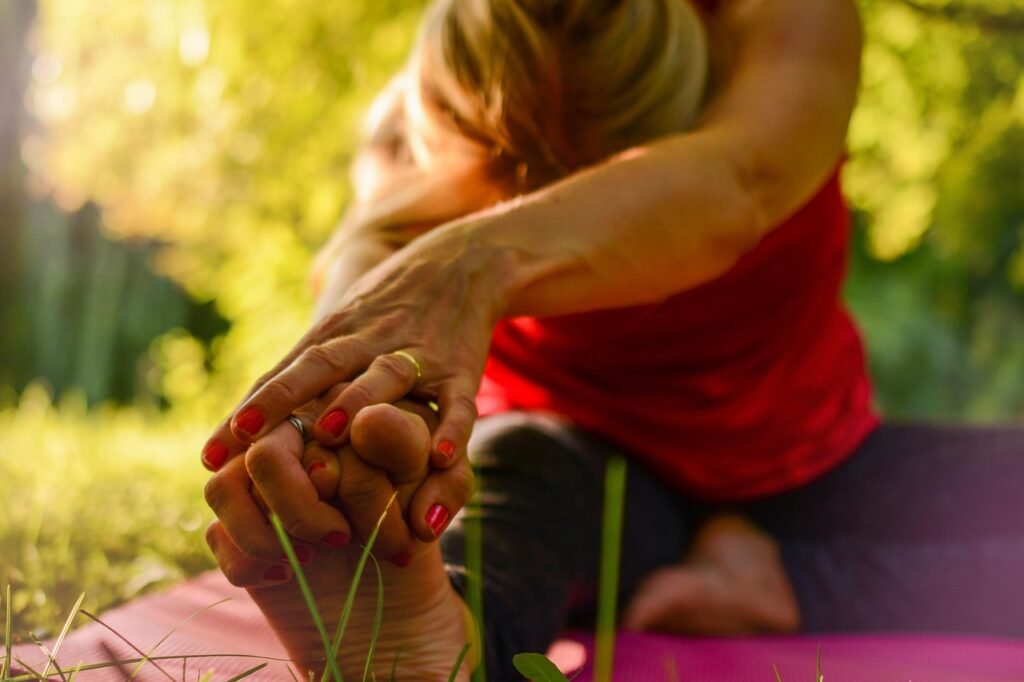
Yoga is not just about poses—breathing exercises play a key role in reducing stress and calming the mind. Here are three simple techniques:
5.1 Deep Belly Breathing
- Lie or sit comfortably.
- Place one hand on your belly and inhale deeply, expanding the abdomen.
- Exhale fully, allowing the belly to fall.
- Repeat for 5–10 breaths.
Benefit: Activates the relaxation response and reduces anxiety.
5.2 Alternate Nostril Breathing (Nadi Shodhana)
- Sit comfortably and use your right thumb to close your right nostril.
- Inhale slowly through the left nostril.
- Close the left nostril with your ring finger and exhale through the right nostril.
- Inhale through the right, then exhale through the left.
Benefit: Balances the nervous system and calms racing thoughts.
5.3 4-7-8 Breathing
- Inhale quietly through the nose for 4 counts.
- Hold the breath for 7 counts.
- Exhale completely through the mouth for 8 counts.
- Repeat for 4 cycles.
Benefit: Quickly reduces anxiety, promotes mental calm, and prepares the body for restful sleep.
6. Short Yoga Routines for Stress & Anxiety
6. Short Yoga Routines for Stress & Anxiety
Consistency is key when using yoga to manage stress and anxiety. Even short daily sessions can have a profound impact on your mental health. Here are three simple routines tailored for different times of the day.
6.1 10-Minute Routine for Quick Stress Relief
This routine is perfect for busy mornings, short breaks, or anytime you feel overwhelmed. It focuses on gentle movement and relaxation to reset the nervous system quickly.
Sequence:
- Child’s Pose (Balasana) – 1–2 minutes
- Focus on deep breathing, allowing tension to melt from your back and shoulders.
- Focus on deep breathing, allowing tension to melt from your back and shoulders.
- Cat-Cow Pose (Marjaryasana–Bitilasana) – 2–3 minutes
- Flow slowly with your breath, stretching and awakening the spine.
- Flow slowly with your breath, stretching and awakening the spine.
- Standing Forward Bend (Uttanasana) – 2 minutes
- Relax your head and neck, release stress, and calm the mind.
- Relax your head and neck, release stress, and calm the mind.
- Corpse Pose (Shavasana) – 3–4 minutes
- Lie on your back, close your eyes, and focus on gentle breathing.
- Lie on your back, close your eyes, and focus on gentle breathing.
Tip: Even 10 minutes of mindful practice can reduce tension, improve focus, and help you approach the rest of the day with calm energy.
6.2 20-Minute Evening Routine for Deep Relaxation
Designed for evenings, this routine helps release the day’s accumulated tension and prepares your body and mind for restful sleep.
Sequence:
- Seated Forward Bend (Paschimottanasana) – 3–4 minutes
- Focus on exhaling deeply and letting go of stress.
- Focus on exhaling deeply and letting go of stress.
- Bridge Pose (Setu Bandhasana) – 3–4 minutes
- Opens the chest and relaxes the spine while boosting mood.
- Opens the chest and relaxes the spine while boosting mood.
- Supine Spinal Twist (Supta Matsyendrasana) – 3–4 minutes per side
- Gently releases back tension and promotes nervous system balance.
- Gently releases back tension and promotes nervous system balance.
- Legs Up the Wall Pose (Viparita Karani) – 3–4 minutes
- Restores circulation and encourages mental calm.
- Restores circulation and encourages mental calm.
- Corpse Pose (Shavasana) – 3–5 minutes
- Finish with full-body relaxation, focusing on letting go of the day.
- Finish with full-body relaxation, focusing on letting go of the day.
Tip: Use this routine as part of your nightly wind-down. Dim lights, play soft music, or use a diffuser for a soothing environment.
6.3 Bedtime Routine for Stress and Sleep
A bedtime yoga routine combines gentle stretches, mindful breathing, and guided relaxation to prepare the body and mind for restorative sleep.
Sequence:
- Gentle stretches – neck rolls, shoulder shrugs, and wrist/ankle rotations
- Light forward folds or reclined stretches (Child’s Pose or Supta Baddha Konasana)
- Breathing exercises – Deep Belly Breathing or 4-7-8 Breathing
- Guided relaxation – focus on relaxing each part of the body from toes to head
Tip: Even 10–15 minutes of bedtime yoga can improve sleep quality, lower nighttime anxiety, and leave you feeling refreshed in the morning.
7. Common Mistakes to Avoid
While practicing yoga for stress relief, it’s important to focus on awareness and safety rather than performance. Avoiding these common mistakes will make your practice more effective and sustainable.
- Overstretching
- Pushing too far can cause injury and tension. Yoga should feel gentle and comfortable. Listen to your body and modify poses as needed.
- Pushing too far can cause injury and tension. Yoga should feel gentle and comfortable. Listen to your body and modify poses as needed.
- Holding the Breath
- Breath is central to calming the nervous system. Avoid shallow or held breathing, and focus on slow, steady inhales and exhales.
- Breath is central to calming the nervous system. Avoid shallow or held breathing, and focus on slow, steady inhales and exhales.
- Practicing While Emotionally Overwhelmed
- If emotions are intense, start with simple breathing exercises or restorative poses instead of advanced sequences. Yoga works best when practiced mindfully.
- If emotions are intense, start with simple breathing exercises or restorative poses instead of advanced sequences. Yoga works best when practiced mindfully.
- Comparing Progress with Others
- Yoga is personal. Focus on your own practice and inner sensations, not on how others perform poses.
- Yoga is personal. Focus on your own practice and inner sensations, not on how others perform poses.
Key Reminder: Yoga is about awareness, self-compassion, and connecting with your body and mind—not achieving perfect poses.
8. Lifestyle Tips to Support Yoga for Mental Wellness
Yoga works best when it is combined with healthy daily habits that support both body and mind. Small lifestyle changes can amplify the calming effects of your practice, reduce stress, and improve emotional balance. Here are some practical tips to complement your yoga routine:
8.1 Maintain a Consistent Sleep Schedule
Sleep is one of the most important factors for mental health and stress management. Going to bed and waking up at the same time every day helps regulate your body’s internal clock and keeps stress hormones, like cortisol, in balance.
Tips:
- Aim for 7–9 hours of sleep each night.
- Create a relaxing bedtime routine: dim the lights, do gentle stretches, or practice deep breathing.
- Avoid using your phone or watching TV right before bed, as bright screens can interfere with natural sleep cycles.
Benefit: Regular sleep supports emotional stability, reduces anxiety, and helps you recover physically from daily stress.
8.2 Reduce Caffeine and Screen Time
High caffeine intake and prolonged screen exposure can overstimulate the nervous system, increasing anxiety and restlessness. Reducing these can make yoga more effective for calming the mind.
Tips:
- Limit coffee or energy drinks, especially in the afternoon and evening.
- Replace some screen time with mindful activities like reading, meditation, or journaling.
- Take regular short breaks from screens during work to prevent mental fatigue.
Benefit: Lower stimulation allows your nervous system to relax, making yoga and breathing exercises more effective in reducing stress.
8.3 Stay Hydrated and Eat Mindfully
Proper nutrition and hydration have a direct impact on your mental health and energy levels. Drinking water regularly and eating balanced meals can reduce irritability, fatigue, and anxiety.
Tips:
- Drink at least 6–8 glasses of water daily, more if you exercise.
- Include fruits, vegetables, whole grains, and protein in your diet.
- Avoid heavy, processed meals before yoga, as they may cause discomfort or sluggishness.
- Practice mindful eating: chew slowly, savor each bite, and focus on the food rather than multitasking.
Benefit: Mindful eating and hydration support mental clarity, body awareness, and overall calmness during yoga practice.
8.4 Practice Journaling or Gratitude
Writing down your thoughts, feelings, and experiences can help you process emotions and reduce mental clutter. Gratitude practice, in particular, has been shown to improve mood, increase positivity, and lower stress.
Tips:
- Spend 5–10 minutes daily writing about your day, your emotions, or what you are grateful for.
- Reflect on positive experiences or things you appreciate about yourself and others.
- Pair journaling with your yoga or meditation practice for a deeper sense of mindfulness.
Benefit: Journaling and gratitude exercises train your mind to focus on the present moment and cultivate emotional resilience, reinforcing the calming effects of yoga.
8.5 Additional Lifestyle Practices to Enhance Mental Wellness
- Short Mindful Breaks: Pause for a few deep breaths or a quick stretch during work to reset your mind.
- Moderate Physical Activity: Light walks, swimming, or gentle cardio complement yoga and help release stress.
- Limit Negative Inputs: Reduce exposure to stressful news or social media that increases anxiety.
- Nature Connection: Spending time outdoors, even for a few minutes, can improve mood and calm the nervous system.
Tip: Lifestyle habits don’t need to be perfect—small, consistent changes create lasting benefits for mental wellness.
Summary: Combining yoga with healthy lifestyle habits—consistent sleep, mindful nutrition, reduced stimulation, and emotional reflection—creates a holistic routine. This approach not only enhances the calming effects of yoga but also strengthens your overall resilience to stress and anxiety.
9. Frequently Asked Questions (FAQs)
Which yoga pose is best for anxiety?
Legs Up the Wall and Child’s Pose are highly effective.
Can yoga completely cure stress?
Yoga helps manage and reduce stress but does not eliminate life challenges.
How often should I practice yoga?
Daily or at least 4–5 times per week.
Is yoga safe for panic attacks?
Gentle yoga and breathing are generally safe, but consult a professional if unsure.
How long does yoga take to show results?
Many people feel calmer within 1–2 weeks of consistent practice.
10. Final Thoughts: Making Yoga a Daily Tool for Mental Peace
Yoga is not about achieving perfect poses or comparing yourself to others—it is about consistency, self-awareness, and listening to your body. The real benefits of yoga come from practicing regularly, even for just a few minutes each day. Small, mindful sessions can gradually reduce stress, ease anxiety, and improve your overall sense of calm.
When yoga becomes part of your daily routine, it does more than just relax the body—it trains your mind to respond to challenges with clarity and calm. You begin to notice changes in how you handle stress, approach difficult emotions, and maintain focus throughout the day. Even a brief morning stretch, a few minutes of deep breathing, or a short evening routine can set the tone for a more balanced and peaceful mindset.
Over time, yoga evolves from a simple set of exercises into a lifelong companion for mental and emotional wellness. It encourages you to slow down, tune into your thoughts and feelings, and cultivate resilience against the pressures of daily life. Beyond stress relief, yoga nurtures mindfulness, emotional balance, and a sense of inner peace that extends into all aspects of your life—relationships, work, and personal growth.
Key Takeaways:
- Prioritize regular practice over perfect poses; even short sessions are powerful.
- Use yoga to observe and release tension, rather than force the body.
- Integrate breathing exercises, gentle stretches, and mindfulness throughout your day.
- Remember that yoga is a tool for lifelong mental calm—its effects accumulate over time.
Ultimately, yoga is a journey, not a destination. By making it a daily habit, you give yourself a practical and natural way to manage stress, support emotional well-being, and cultivate lasting mental peace.