
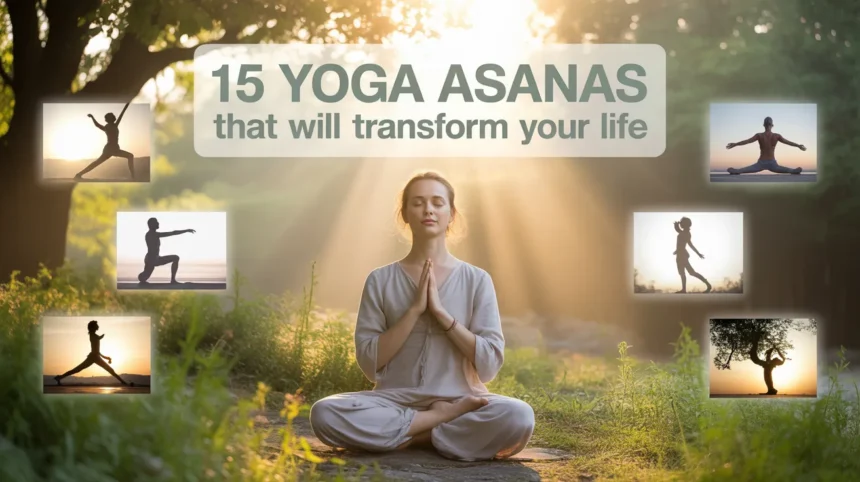
Yoga isn’t just exercise—it’s a way to connect your body, mind, and breath. Practicing yoga asanas can help you feel stronger, more flexible, and more balanced, both physically and mentally. Whether you’re looking to ease tension, improve posture, or simply find a moment of calm in your day, yoga asanas offer a path to transformation.
- Benefits of Practicing Yoga Asanas
- The 15 Yoga Asanas
- 1. Surya Namaskar (Sun Salutation)
- 2. Tadasana (Mountain Pose)
- 3. Balasana (Child’s Pose)
- 4. Garudasana (Eagle Pose)
- 5. Paschimottanasana (Seated Forward Bend)
- 6. Bridge Pose (Setu Bandhasana)
- 7. Cobra Pose (Bhujangasana)
- 8. Sukhasana (Easy Pose)
- 9. Dhanurasana (Bow Pose)
- 10. Gomukhasana (Cow Face Pose)
- 11. Ardha Matsyendrasana (Half Lord of the Fishes Pose)
- 12. Locust Pose (Salabhasana)
- 13. Padmasana (Lotus Pose)
- 14. Virabhadrasana II (Warrior II Pose)
- 15. Upward Facing Dog (Urdhva Mukha Svanasana)
- Tips for Practicing Yoga Safely
- How to Integrate These Poses Into Your Daily Routine
- Conclusion
In this guide, we’ll explore 15 yoga asanas that can truly change the way you feel. From basic stretches to poses that challenge your balance and strength, these asanas are designed to improve flexibility, build strength, and bring mindfulness into your daily routine.
Don’t worry about doing them all at once. Take it step by step, listen to your body, and enjoy the process. With regular practice, these yoga poses can help you feel more energized, focused, and at peace.
Benefits of Practicing Yoga Asanas
Yoga poses offer a wide range of benefits for your body, mind, and daily life. Here’s why incorporating them into your routine can be so powerful:
Physical Benefits
Yoga asanas are incredibly effective at improving your physical health. Each pose stretches and strengthens different parts of the body, helping you move with more ease and confidence.
- Flexibility: Yoga asanas gently stretch muscles and joints, helping you move more freely. Poses like Paschimottanasana and Gomukhasana open tight shoulders, hips, and hamstrings.
- Strength: Many yoga asanas, such as Bridge Pose and Warrior II, work your core, legs, and back muscles—building strength without heavy equipment.
- Better Posture: Standing and backbend poses like Tadasana and Cobra Pose align your spine, open the chest, and counteract the effects of long hours of sitting.
- Joint Health: Regular practice improves mobility, keeps joints lubricated, and reduces stiffness over time.
Mental Benefits
The practice of yoga asanas doesn’t just strengthen your body—it calms and sharpens the mind.
- Stress Relief: Yoga asanas paired with mindful breathing help calm the nervous system, reducing stress and tension.
- Focus and Concentration: Balancing poses like Garudasana require concentration, which trains your mind to stay present.
- Emotional Balance: Certain asanas release stored tension and promote relaxation, helping you feel calmer and more centered.
- Mindfulness: Practicing yoga asanas encourages you to pay attention to your body and breath, cultivating a sense of awareness that carries over into everyday life.
Lifestyle Benefits
Incorporating yoga asanas into your daily routine can positively impact your lifestyle in ways that extend far beyond the mat.
- Increased Energy: Yoga asanas stimulate circulation and oxygen flow, helping you feel more awake and energized throughout the day.
- Better Sleep: Gentle stretches and calming poses can help you unwind and enjoy more restful sleep.
- Less Tension: Releasing physical and mental stress through yoga asanas can make your daily life feel lighter and more balanced.
By practicing yoga asanas regularly, you’re not just exercising your body—you’re creating a routine that supports overall wellness, clarity of mind, and inner calm.
The 15 Yoga Asanas
These 15 yoga asanas are carefully chosen to improve flexibility, strength, balance, and mindfulness. Practicing them regularly can transform your body, calm your mind, and enhance your overall wellbeing. Each pose below includes simple instructions, benefits, and tips to help you practice safely and effectively.
1. Surya Namaskar (Sun Salutation)
Surya Namaskar, or Sun Salutation, is a flowing sequence of yoga poses that perfectly combines stretching, strength-building, and mindful breathing. This dynamic sequence is designed to warm up the entire body while energizing the mind, making it an excellent way to start your day. Each round of Surya Namaskar engages multiple muscle groups—including the arms, legs, core, and back—while gently improving flexibility and spinal mobility. It also stimulates the cardiovascular system, helping to boost circulation and overall energy levels. Practicing 5–10 rounds daily can lift your mood, enhance focus, and create a sense of vitality. Beginners can modify poses by lowering the knees during plank or cobra poses, while advanced practitioners can flow at a faster pace for more cardio benefits.
Tips / Variations:
- Start slowly and focus on coordinating breath with movement.
- Use a yoga mat for support and grip.
- Add a few rounds of deep, steady breathing at the end for relaxation.
2. Tadasana (Mountain Pose)
Tadasana, or Mountain Pose, is one of the foundational yoga asanas that teaches proper alignment, posture, and awareness of your body. Though it looks simple, standing tall in Tadasana strengthens the legs, tones the core, and elongates the spine. This pose also encourages mindful breathing, which enhances focus and balance, making it an ideal starting point for more complex asanas. Practicing Tadasana regularly can correct slouching, relieve tension in the back, and create a solid foundation for standing, balancing, and flowing sequences.
Tips / Variations:
- Stand with feet hip-width apart for added stability if balance is a challenge.
- Engage your thighs and lift through the crown of your head for full spinal alignment.
- Use a wall to check posture and maintain awareness of body alignment.
3. Balasana (Child’s Pose)
Balasana, or Child’s Pose, is a gentle, restorative yoga asana that provides a soothing break during any practice. By sitting back onto your heels and stretching the arms forward, Balasana releases tension in the hips, thighs, and ankles while calming the nervous system. It encourages deep, steady breathing, making it perfect for relieving stress and anxiety. This pose is often used at the start or end of a yoga session, or as a resting posture between more strenuous poses. It helps center the mind, providing both physical and mental relief.
Tips / Variations:
- Place a folded blanket or cushion under the hips for extra comfort.
- Rest your forehead on a yoga block if the floor feels too far.
- Keep knees together or slightly apart depending on comfort and hip flexibility.
4. Garudasana (Eagle Pose)
Garudasana, or Eagle Pose, is a standing balancing yoga asana that challenges coordination and improves focus. By crossing one leg over the other and wrapping the arms, this pose strengthens the legs, stretches the shoulders, and opens tight joints. Garudasana not only builds physical strength and flexibility but also encourages mental concentration, helping to reduce stress and promote clarity of thought. Practicing this pose regularly improves balance, coordination, and proprioception, making it a powerful tool for both body and mind.
Tips / Variations:
- Use a wall for support if balance is difficult.
- Beginners can skip the arm wrap and simply cross the legs to reduce difficulty.
- Hold the pose for 20–30 seconds per side, focusing on steady breathing.
5. Paschimottanasana (Seated Forward Bend)
Paschimottanasana, or Seated Forward Bend, is a deeply calming yoga asana that stretches the spine, hamstrings, and shoulders. Sitting with legs extended, folding forward from the hips promotes flexibility while simultaneously activating the parasympathetic nervous system for relaxation. This pose is excellent for calming the mind, reducing stress, and improving digestion. Practicing Paschimottanasana for 30–60 seconds with steady, mindful breathing helps release tension in the back and hamstrings while fostering a sense of calm and focus. Beginners can use a yoga strap around the feet or slightly bend the knees to maintain proper alignment.
Tips / Variations:
- Keep the spine long and avoid rounding the back excessively.
- Focus on exhaling into the stretch rather than forcing it.
- Use a folded blanket under the hips to tilt the pelvis forward for easier folding.
6. Bridge Pose (Setu Bandhasana)
Bridge Pose, or Setu Bandhasana, is a gentle backbend yoga asana that strengthens the glutes, lower back, and spine. By pressing the feet into the mat and lifting the hips toward the ceiling, this pose opens the chest and shoulders, helping to alleviate fatigue and improve posture. It also stimulates the thyroid gland, which can aid in hormone balance and support overall metabolism. Practicing Bridge Pose regularly can improve spinal flexibility, reduce tension in the back, and energize the body.
Tips / Variations:
- Beginners can place a yoga block under the hips for support.
- Keep arms alongside the body if interlacing hands under the back is uncomfortable.
- Avoid straining the neck; keep your chin slightly tucked and head relaxed.
7. Cobra Pose (Bhujangasana)
Cobra Pose, or Bhujangasana, is a heart-opening backbend yoga asana that stretches the chest, shoulders, and spine while strengthening the back muscles. This pose improves posture, invigorates the body, and can relieve mild stress or tension accumulated from sitting or slouching. Practicing Cobra Pose regularly also helps increase spinal flexibility and stimulates energy flow throughout the body.
Tips / Variations:
- Beginners should lift only the chest as much as comfortable, keeping elbows slightly bent.
- Keep the legs active and pressed into the mat for better support.
- Avoid if you have a serious back injury or perform with guidance.
8. Sukhasana (Easy Pose)
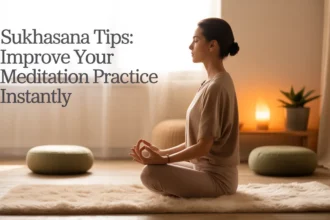
Sukhasana, or Easy Pose, is a simple seated yoga asana perfect for meditation, relaxation, and mindful breathing. Sitting cross-legged with a straight spine encourages proper posture while calming the mind and nervous system. It’s ideal for beginners or anyone practicing mindfulness, as it helps cultivate focus, inner peace, and body awareness. Sukhasana can also serve as a preparation pose for longer meditation or pranayama sessions.
Tips / Variations:
- Sit on a cushion or folded blanket to lift the hips and reduce strain on the knees and hips.
- Rest hands on the knees, palms up or down, whichever feels more comfortable.
- Keep shoulders relaxed and spine tall throughout the practice.
9. Dhanurasana (Bow Pose)
Dhanurasana, or Bow Pose, is a full-body backbend yoga asana that stretches the front of the body while strengthening the back, shoulders, and legs. By holding the ankles and lifting the chest and thighs off the floor, this pose improves spinal flexibility and stimulates the abdominal organs, aiding digestion. Practicing Dhanurasana on an empty stomach allows for a deeper, more comfortable stretch, and regular practice helps build strength, posture, and energy.
Tips / Variations:
- Use a yoga strap around the ankles if reaching the feet is challenging.
- Beginners can lift only the chest or legs as tolerated.
- Keep breathing deeply and avoid holding the pose if you feel strain in the lower back.
10. Gomukhasana (Cow Face Pose)
Gomukhasana, or Cow Face Pose, is a yoga asana that provides a deep stretch for the shoulders, chest, and hips. By crossing the legs and clasping the hands behind the back, this pose relieves tension, improves posture, and increases flexibility in the upper body. It also encourages focus and mindfulness while promoting spinal alignment and shoulder mobility.
Tips / Variations:
- Use a yoga strap or towel between the hands if your shoulders are tight.
- Sit on a cushion to elevate the hips for better alignment and comfort.
- Beginners can practice just the arm stretch or the leg stretch separately before combining them.
11. Ardha Matsyendrasana (Half Lord of the Fishes Pose)
Ardha Matsyendrasana, or Half Lord of the Fishes Pose, is a seated spinal twist yoga asana that improves spinal mobility and enhances digestion. By twisting the torso while keeping the spine tall, this pose massages the internal organs, stimulating liver, kidneys, and digestive function. It also helps relieve stiffness in the back and shoulders, making it ideal for those who sit for long hours. Regular practice of this twisting asana can improve posture, increase flexibility in the spine, and promote a sense of detoxification and rejuvenation.
Tips / Variations:
- Sit on a folded blanket to lift the hips and make the twist easier.
- Keep the spine long, and twist gently without forcing.
- Beginners can keep the bottom leg extended instead of crossed for less intensity.
12. Locust Pose (Salabhasana)
Salabhasana, or Locust Pose, is a prone backbend yoga asana that strengthens the spine, glutes, and legs while improving posture. Lying on your stomach and lifting the chest, arms, and legs engages the entire posterior chain, helping to reduce fatigue and energize the body. This pose also opens the chest, stimulates circulation, and relieves tension in the lower back. Practicing Locust Pose regularly builds strength and endurance in the back muscles while complementing other spinal backbends.
Tips / Variations:
- Beginners can lift only the chest or legs initially, gradually working toward lifting both.
- Keep the neck neutral to avoid strain.
- Engage the core and thighs to maintain stability throughout the pose.
13. Padmasana (Lotus Pose)
Padmasana, or Lotus Pose, is the classic seated yoga asana used for meditation and mindfulness. By crossing the legs and placing each foot on the opposite thigh, Padmasana opens the hips and aligns the spine, creating a stable foundation for focused breathing and mental clarity. This pose encourages inner calm, improves concentration, and enhances the effectiveness of meditation or pranayama practices. Regular practice also helps stretch the ankles and knees gently while promoting relaxation of the mind and body.
Tips / Variations:
- Beginners can start with Sukhasana (Easy Pose) or place a cushion under the hips for comfort.
- Avoid forcing the knees; flexibility develops gradually over time.
- Keep the spine tall and shoulders relaxed for optimal alignment.
14. Virabhadrasana II (Warrior II Pose)
Virabhadrasana II, or Warrior II Pose, is a powerful standing yoga asana that strengthens the legs, glutes, and core while increasing stamina and balance. With feet wide apart, one knee bent, and arms extended, this pose opens the hips and chest and improves overall body stability. It also cultivates focus, mental strength, and courage, making it an excellent asana for both physical conditioning and mindfulness. Practicing Warrior II regularly builds endurance, enhances circulation, and supports confident posture.
Tips / Variations:
- Keep the front knee aligned over the ankle to protect the joint.
- Engage the core and lengthen the spine for stability.
- Beginners can reduce the stance width until comfortable with balance.
15. Upward Facing Dog (Urdhva Mukha Svanasana)
Urdhva Mukha Svanasana, or Upward Facing Dog, is a dynamic backbend yoga asana that strengthens the arms, spine, and core while opening the chest. By pressing the hands into the mat and lifting the torso and legs off the ground, this pose improves posture, energizes the body, and complements other backbends like Cobra and Bridge Pose. It also stretches the shoulders and abdominal muscles, making it excellent for spinal flexibility and boosting circulation.
Tips / Variations:
- Beginners can perform Bhujangasana (Cobra Pose) as a gentler alternative until strength increases.
- Keep shoulders away from the ears to avoid tension.
- Engage the thighs and core for support and proper alignment.
Tips for Practicing Yoga Safely
Practicing yoga asanas safely ensures you gain maximum benefits while avoiding injuries. Here are some essential tips:
Warm-up Recommendations:
Before jumping into intense stretches or backbends, warm up the body with gentle movements like shoulder rolls, neck stretches, or a few rounds of Surya Namaskar. Warming up prepares your muscles and joints, reduces stiffness, and prevents strain during deeper poses.
Importance of Breath Awareness:
Breath is the cornerstone of yoga practice. Coordinating breath with movement helps oxygenate muscles, calm the mind, and maintain proper alignment. Always inhale deeply to expand and energize, and exhale fully to release tension. Avoid holding your breath during any yoga asana.
Using Props for Support:
Props like yoga blocks, straps, and blankets can make poses more accessible, especially for beginners or those with limited flexibility. For example, use a strap in Gomukhasana to bridge the gap between hands or a block in Paschimottanasana to lift the hips. Props provide stability, reduce strain, and allow you to focus on alignment.
Modifying Poses Based on Flexibility or Age:
Not every pose is suitable for everyone at full intensity. Listen to your body and modify poses as needed. Bend the knees slightly in forward folds, keep feet on the floor in seated twists, or perform gentler backbends instead of deep ones. Gradual progress and mindful practice are safer and more effective than forcing flexibility.
How to Integrate These Poses Into Your Daily Routine
Incorporating yoga asanas into daily life can create lasting physical, mental, and emotional benefits. Here’s how to make it practical and consistent:
Suggested Daily or Weekly Yoga Schedule: Start with short sessions—15–20 minutes a day, three to five times per week. Beginners can focus on a few foundational poses first, gradually adding more challenging asanas like Dhanurasana or Urdhva Mukha Svanasana. Consistency matters more than duration.
Combining Poses for a 15–20 Minute Flow: Create a balanced sequence combining warm-ups, standing poses, seated stretches, backbends, and restorative poses. For example, begin with Surya Namaskar to warm up, move into Tadasana and Garudasana for standing balance, then transition to seated twists and forward bends like Paschimottanasana. Finish with Sukhasana or Balasana for relaxation and mindfulness.
Encouraging Mindful Practice and Consistency: Approach each session with focus and intention. Avoid rushing through poses—hold each asana long enough to feel the stretch and connect with your breath. Practicing mindfully builds awareness, reduces stress, and enhances the physical benefits of yoga. Over time, this consistency will transform your body, mind, and overall wellness.
Conclusion
Yoga asanas are more than just physical exercises—they are a holistic practice that can transform your body, mind, and lifestyle. From improving flexibility and strength to promoting mental clarity and emotional balance, the 15 yoga asanas in this guide offer a well-rounded approach to wellness.
Start gradually, honoring your body’s limits, and build a consistent practice that fits your schedule. Even a few minutes a day can yield noticeable benefits over time.
Which of these yoga asanas resonates with you the most? Share your favorite pose in the comments below, or let your friends know about this guide by sharing it. Your journey to a healthier, calmer, and more flexible life starts today!