

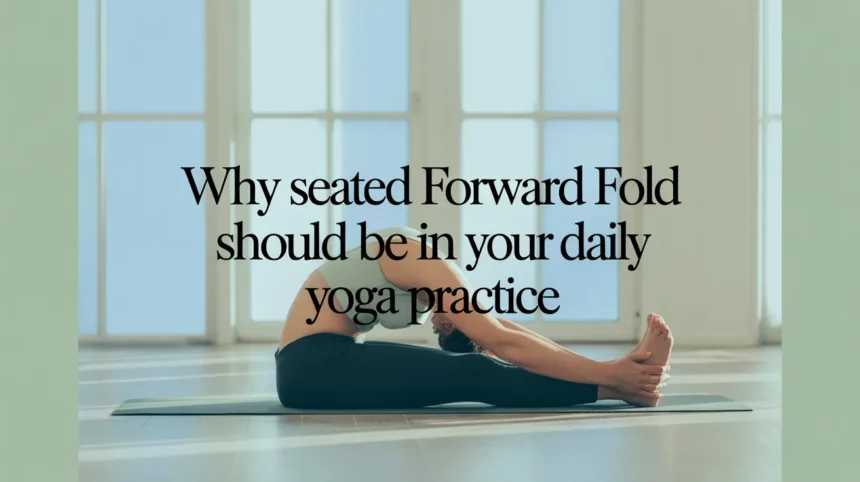
Yoga is much more than physical exercise—it is a holistic discipline that harmonizes the body, mind, and breath, creating a profound sense of balance and inner awareness. Each yoga posture, or asana, serves a purpose beyond mere stretching, targeting specific muscle groups, energy channels, and mental states. Among the vast array of poses, some may appear deceptively simple, yet they hold remarkable benefits for both beginners and advanced practitioners. One such pose is the Seated Forward Fold (Paschimottanasana).
- Understanding Seated Forward Fold
- Physical Benefits of Seated Forward Fold
- 1. Improves Flexibility and Range of Motion
- 2. Strengthens and Aligns the Spine
- 3. Enhances Digestive Function
- 4. Relieves Back, Shoulder, and Neck Tension
- 5. Stimulates Circulation
- Mental and Emotional Benefits
- 1. Reduces Stress and Anxiety
- 2. Encourages Mindfulness and Introspection
- 3. Supports Emotional Release
- How to Practice Seated Forward Fold Safely
- Modifications for All Levels
- Why Daily Practice Matters
- Tips to Make Seated Forward Fold a Daily Habit
- Conclusion
At first glance, the Seated Forward Fold might seem like an ordinary stretch. Sitting with your legs extended straight and folding forward appears straightforward, requiring little strength or flexibility. This apparent simplicity, however, belies the deep, multi-layered effects the pose has on the body and mind. Unlike dynamic or acrobatic postures, forward bends invite stillness, introspection, and mindful attention, allowing practitioners to connect deeply with their breath, sensations, and inner awareness.
Physiologically, this humble posture stretches the hamstrings, calves, and spine, releasing tension built up from daily movement or prolonged sitting. It also encourages proper spinal alignment and gently massages internal organs, supporting digestion and circulation. Mentally, the Seated Forward Fold activates the parasympathetic nervous system, which helps calm the mind, reduce stress, and promote relaxation. Over time, practicing this pose regularly can foster a sense of mental clarity, emotional balance, and resilience to daily stressors.
Incorporating the Seated Forward Fold into your daily routine is not just about flexibility—it’s a practice of intentional pause, mindful reflection, and restorative self-care. Its benefits unfold gradually, offering both immediate relief from tension and long-term improvements in posture, mobility, and emotional well-being. Far from being a “simple” pose, it is a cornerstone posture that embodies the essence of yoga: union of body, mind, and breath.
Understanding Seated Forward Fold
The Seated Forward Fold (Paschimottanasana) is a foundational yoga posture that combines physical stretch, spinal elongation, and mental focus. To practice it, you sit on the floor with your legs extended straight in front of you, hinge forward from the hips, and fold your torso toward your legs. Depending on flexibility, your hands may rest on your feet, ankles, or shins. The key is to maintain a long spine while folding, rather than rounding the lower back, to ensure both safety and effectiveness.
In yoga philosophy, forward bends are considered introspective postures. They symbolize surrender, humility, and inward focus, allowing practitioners to calm the mind, release stress, and foster mental clarity. Forward folds create a sense of grounding while promoting self-reflection, making them both physically restorative and mentally soothing.
Anatomical Focus and Benefits
From a physiological standpoint, the Seated Forward Fold engages multiple muscle groups and internal systems:
- Hamstrings: The primary target of this pose, stretching and lengthening the muscles along the back of the thighs. Regular practice improves flexibility, reduces risk of injury, and enhances overall lower body mobility.
- Spinal erectors: These muscles run along the length of the spine and are responsible for posture and spinal stability. Forward folding gently elongates and decompresses the spine, helping to relieve tension in the lower back.
- Calves and Achilles tendons: By keeping the legs straight and flexing the feet, this pose provides a subtle stretch to the lower legs, improving circulation and preventing stiffness.
- Shoulders and upper back: Extending the arms forward while maintaining proper alignment encourages release of tightness in the shoulders, upper back, and neck — areas often affected by prolonged sitting or stress.
- Abdominal organs: The gentle compression of the torso against the thighs stimulates internal organs, aiding digestion, detoxification, and overall organ health.
Accessibility and Adaptations
One of the greatest strengths of the Seated Forward Fold is its accessibility. Unlike advanced poses that require exceptional balance or strength, Paschimottanasana can be practiced safely at any level, from beginners to seasoned yogis. Its adaptability is enhanced by using props such as yoga straps, bolsters, or folded blankets. For example:
- A yoga strap around the feet allows those with tight hamstrings to fold without straining.
- A folded blanket under the hips elevates the pelvis, helping beginners maintain spinal length.
- A bolster or cushion placed over the legs or under the forehead provides a restorative variation, promoting relaxation and prolonged holds.
By accommodating individual flexibility and comfort, the Seated Forward Fold ensures that every practitioner can experience its physical, mental, and emotional benefits safely.
Physical Benefits of Seated Forward Fold
The Seated Forward Fold (Paschimottanasana) is more than a simple hamstring stretch — it is a full-body posture that improves flexibility, strengthens muscles, and supports overall physical health. Practicing it regularly can have profound effects on both movement and posture.
1. Improves Flexibility and Range of Motion
The Seated Forward Fold is one of the most effective stretches for the posterior chain, which includes the hamstrings, calves, glutes, and lower back. By gently lengthening these muscles, the pose increases overall flexibility, which is essential for both yoga and daily life activities.
- Hamstrings: Lengthening these muscles helps prevent strains during exercise and reduces tension in the lower back.
- Calves and Achilles tendons: Stretching these areas improves mobility in the ankles and feet, enhancing balance and stability.
- Spine: Forward folding elongates the vertebrae and increases spinal flexibility, allowing for smoother movements and reducing stiffness.
Improved flexibility also enhances functional movements like bending, lifting, and reaching, and contributes to better posture by counteracting tightness from sitting or repetitive motion.
2. Strengthens and Aligns the Spine
While the pose is primarily a stretch, it also engages the spinal muscles, encouraging both strength and proper alignment. By maintaining a long spine and hinging from the hips rather than rounding the back, you:
- Reduce slouching and postural strain, especially for those who sit for long periods.
- Stretch and activate the spinal erectors, which support healthy posture and balance.
- Promote spinal decompression, alleviating tension in the vertebrae and intervertebral discs.
This combination of strengthening while stretching helps prevent lower back pain and creates a stable, mobile spine that supports daily activities and athletic movement.
3. Enhances Digestive Function
The forward folding motion of Seated Forward Fold gently compresses the abdomen, providing a light internal massage for the digestive organs, including the stomach, liver, and intestines. This action can:
- Stimulate peristalsis, aiding in smoother digestion and bowel regularity.
- Encourage detoxification, as gentle compression and release help circulate blood and lymph in the abdominal region.
- Reduce bloating and digestive discomfort over time when practiced consistently.
This benefit makes the pose particularly valuable after meals or as part of a morning routine to support metabolic function.
4. Relieves Back, Shoulder, and Neck Tension
For many people, chronic tension in the upper and lower back, shoulders, and neck is a consequence of desk work, mobile devices, or stress. The Seated Forward Fold helps:
- Stretch the lower back and hamstrings, reducing stiffness and strain.
- Open the upper back and shoulders, relieving tightness accumulated from prolonged sitting.
- Gently elongate the neck muscles, preventing strain and tension headaches.
This makes the pose a restorative and preventative posture, reducing the risk of chronic pain and enhancing overall spinal health.
5. Stimulates Circulation
Forward bends, including the Seated Forward Fold, slightly invert the upper body, encouraging blood flow to the head and chest. This has several physiological benefits:
- Improves oxygenation of the brain, enhancing mental clarity and focus.
- Supports the nervous system, helping calm the mind and reduce stress levels.
- Promotes overall circulation, ensuring that muscles and organs receive fresh blood and nutrients.
This gentle stimulation of circulation contributes to a feeling of refreshment and alertness even while the pose itself is relaxing.
In summary, the Seated Forward Fold is a multi-dimensional posture that combines stretching, strengthening, and internal stimulation. Its physical benefits extend far beyond flexibility, supporting spinal health, digestive function, posture, and overall vitality. Regular practice makes it an essential pose for anyone seeking a well-rounded and health-focused yoga routine.
Mental and Emotional Benefits
While the Seated Forward Fold is widely recognized for its physical benefits, it also provides profound mental and emotional advantages. This pose encourages introspection, relaxation, and a sense of inner calm, making it an essential part of a holistic yoga practice.
1. Reduces Stress and Anxiety
Forward bends, including Paschimottanasana, are known to stimulate the parasympathetic nervous system, sometimes called the “rest-and-digest” system. This activation:
- Slows the heart rate
- Lowers blood pressure
- Reduces cortisol levels, the body’s primary stress hormone
Practicing this pose daily can help calm racing thoughts, diminish anxiety, and promote a general sense of emotional well-being. Even a few minutes of forward folding can create a noticeable shift from mental tension to relaxation.
2. Encourages Mindfulness and Introspection
Unlike dynamic yoga sequences, forward bends invite stillness and inward focus. By paying attention to your breath, spinal length, and muscle sensations, you cultivate present-moment awareness — a cornerstone of mindfulness practice. This self-reflective aspect can:
- Improve focus and concentration
- Foster mental clarity
- Encourage a deeper connection to your inner state
Over time, this mindfulness practice can translate into better emotional regulation and a calmer approach to everyday challenges.
3. Supports Emotional Release
Muscle tension often stores emotional stress, and holding a forward bend allows the body to release this stored tension gradually. Fascia, the connective tissue surrounding muscles, is particularly responsive to slow, sustained stretches. This can lead to:
- A sense of emotional release
- Feeling lighter, calmer, and grounded
- Reduced nervous energy and mental fatigue
Many practitioners report that consistent practice of Seated Forward Fold helps them process emotions and cultivate emotional balance in daily life.
How to Practice Seated Forward Fold Safely
Seated Forward Fold is accessible to all levels, but proper alignment and mindful practice are essential to prevent strain and maximize benefits.
Step-by-Step Instructions
- Sit Comfortably:
Begin on a yoga mat with legs extended straight in front of you. If your hips are tight, sit on a folded blanket or cushion to elevate the pelvis, which makes folding forward easier and safer. - Engage the Legs:
Keep your thighs active and feet flexed. Engaging the leg muscles protects the knees and strengthens the muscles along the posterior chain. - Inhale and Lengthen the Spine:
Reach your arms overhead and grow taller through the spine, creating space between vertebrae. This prevents rounding the back when you fold forward. - Exhale and Fold Forward:
Hinge from the hips rather than the lower back, leading with the chest. Extend your torso toward your feet, ankles, or shins without forcing the stretch. The goal is a gentle forward motion, not maximum reach. - Breathe Deeply:
Focus on slow, steady breaths. Inhale to maintain length in the spine, exhale to relax deeper into the fold. Breath awareness supports both mental calm and muscular release. - Hold the Pose:
Remain in the pose for 30 seconds to 2 minutes or longer, depending on your comfort and experience. Gradually increase the duration over time as flexibility and mindfulness improve.
Tips for Safety and Comfort
- Use Props: A yoga strap around the feet can help you fold without straining if you cannot reach your toes.
- Slightly Bend the Knees: This reduces pressure on tight hamstrings and protects the lower back.
- Support the Head or Chest: For a restorative variation, place a bolster or folded blanket under the torso or forehead.
- Avoid Forcing the Stretch: Forward bends should feel stretching but not painful. Listen to your body to avoid injury.
By practicing with proper alignment, mindful breathing, and optional props, Seated Forward Fold becomes a safe, restorative, and deeply beneficial pose for both body and mind.
Modifications for All Levels
The Seated Forward Fold is a highly adaptable pose that can accommodate practitioners at any stage of their yoga journey. By using small adjustments or props, you can safely experience its full benefits.
- Beginners:
If your hamstrings or lower back are tight, slightly bend the knees to reduce strain and maintain a long spine. You can also place a folded blanket under the hips to elevate the pelvis, which makes folding forward more accessible. - Intermediate:
Once flexibility improves, you can reach toward the feet or ankles while keeping the spine elongated. Focus on hinging from the hips rather than rounding the lower back, maintaining active engagement of the legs. - Advanced:
Experienced practitioners can grab the soles of the feet and gently draw the torso closer, deepening the stretch. At this level, the fold becomes a combination of flexibility, breath control, and mindfulness. - Restorative:
For a calming, meditative version, place a bolster or folded blanket under the torso and forehead. This variation reduces muscular effort, promotes relaxation, and allows for extended holding of the pose for stress relief and introspection.
Why Daily Practice Matters
Practicing Seated Forward Fold consistently amplifies its benefits, creating long-term improvements in both body and mind:
- Consistent Flexibility Gains:
Daily forward folds gradually lengthen muscles along the posterior chain, including the hamstrings, calves, and spine. This prevents stiffness and enhances mobility for both yoga practice and daily movement. - Enhanced Mental Calmness:
Forward bends activate the parasympathetic nervous system, helping to reduce anxiety, release mental tension, and improve focus. A short daily session promotes mindfulness and emotional balance. - Postural Health:
Regular practice encourages spinal alignment, strengthens postural muscles, and counteracts the effects of prolonged sitting, preventing chronic back, neck, and shoulder pain. - Digestive and Organ Support:
Gentle abdominal compression stimulates internal organs, improving digestion, metabolic function, and circulation. Daily practice can support long-term digestive wellness. - Accessible Anytime, Anywhere:
The pose requires minimal space and no special equipment. It can easily be incorporated into home routines, office breaks, or travel, making it a practical daily practice.
Tips to Make Seated Forward Fold a Daily Habit
Consistency is key to unlocking the full benefits of this posture. Here are some practical strategies:
- Integrate into Morning or Evening Routines:
Start your day with a few minutes of forward folds to awaken the spine and calm the mind, or end the day to release tension accumulated from daily activities. - Pair with Deep Breathing:
Slow, diaphragmatic breathing enhances relaxation, encourages deeper stretching, and reinforces mindfulness during the pose. - Track Progress:
Keep a journal or mental note of improvements in flexibility, posture, and mental clarity over weeks. Observing progress motivates continued practice. - Use Props for Support and Comfort:
Yoga straps, bolsters, or folded blankets can help modify the pose safely, allowing you to focus on stretching, alignment, and breath without discomfort. - Stay Patient and Mindful:
Forward bends often require gradual progress. Avoid forcing the stretch; let your body adapt naturally while keeping the spine long and the breath steady.
By using these modifications, understanding the importance of daily practice, and implementing practical tips, the Seated Forward Fold can become a cornerstone of your yoga routine, supporting flexibility, mental calm, and overall well-being.
Conclusion
The Seated Forward Fold (Paschimottanasana) is more than a hamstring stretch — it’s a holistic pose that benefits the body, mind, and spirit. Daily practice can improve flexibility, strengthen the spine, calm the nervous system, support digestion, and promote emotional balance.
Adaptable for all levels, this pose can be modified for beginners or deepened for advanced practitioners. Even a few minutes each day can create lasting improvements in mobility, posture, and mental clarity. Embrace the fold, breathe deeply, and experience the subtle but powerful transformation it brings.