
Meditation is widely recognized as a powerful practice for calming the mind, improving concentration, and reducing stress. In today’s fast-paced world, where mental clutter and tension are common, finding a stable, grounding practice is essential. Yoga offers numerous poses to support meditation, but Padmasana, or Lotus Pose, stands out as one of the most iconic and effective postures.
- What is Padmasana (Lotus Pose)?
- Benefits of Padmasana for Meditation
- Step-by-Step Guide to Padmasana
- 1. Prepare Your Body
- 2. Start with Half Lotus (Ardha Padmasana)
- 3. Move Into Full Lotus
- 4. Place Your Hands
- 5. Focus Your Mind
- Tips for Sitting Comfortably
- Common Mistakes to Avoid
- Variations of Padmasana
- Who Should Practice Padmasana?
- Conclusion
Padmasana is not just a physical exercise; it is a foundation for mental clarity, emotional balance, and spiritual growth. By aligning the body properly and providing a stable base, it allows practitioners to breathe deeply, focus their attention, and experience a sense of inner calm. Sitting in Padmasana can also enhance the effectiveness of pranayama (breathwork) and other meditative techniques, helping both beginners and advanced practitioners deepen their practice.
This guide will provide a comprehensive overview of Padmasana, including its physical, mental, and spiritual benefits, detailed step-by-step instructions, variations for all levels, common mistakes to avoid, and tips for sitting comfortably for extended meditation sessions. By the end, you’ll have all the knowledge you need to incorporate Padmasana safely and effectively into your meditation practice.
What is Padmasana (Lotus Pose)?
Padmasana, commonly known as Lotus Pose, is a classic seated yoga posture that has been practiced for centuries as a cornerstone of meditation. In this pose, each foot is placed on the opposite thigh, creating a stable, cross-legged position that resembles a blooming lotus flower — a symbol of purity, spiritual awakening, and inner balance.
Traditionally, Padmasana is used for meditation, breathing exercises, and spiritual practices in both Hatha and Raja Yoga. Its design allows the body to remain completely upright and stable, which is essential for focusing the mind and achieving a meditative state. The posture supports the alignment of the spine, promotes better circulation, and opens the hips, which are often tight from prolonged sitting or modern sedentary lifestyles.
Key Features of Padmasana
Padmasana may look simple, but its power lies in the alignment, balance, and comfort it offers. Here are the key features that make it ideal for meditation:
- Crossed Legs with Feet Resting on Opposite Thighs
- Each foot rests on the opposite thigh, creating a symmetrical and stable base.
- This placement gently stretches the hips and knees while grounding the body for meditation.
- Each foot rests on the opposite thigh, creating a symmetrical and stable base.
- Straight Spine and Elongated Neck
- Maintaining a vertical spine is crucial to allow free flow of prana (life energy) and prevent slouching.
- An elongated neck ensures proper posture and reduces strain on the shoulders and upper back.
- Maintaining a vertical spine is crucial to allow free flow of prana (life energy) and prevent slouching.
- Relaxed Shoulders and Open Chest
- The shoulders remain relaxed and slightly drawn back, opening the chest for deeper breathing.
- An open chest also encourages a sense of confidence, alertness, and calm during meditation.
- The shoulders remain relaxed and slightly drawn back, opening the chest for deeper breathing.
- Hands Resting on Knees in a Mudra (Gesture)
- Hands are typically placed on the knees with fingers in a mudra such as Gyan Mudra (thumb and index finger touching).
- Mudras are believed to enhance focus, channel energy, and support mental clarity during meditation.
- Hands are typically placed on the knees with fingers in a mudra such as Gyan Mudra (thumb and index finger touching).
When all these elements are combined, Padmasana creates a balanced and stable posture that encourages a calm, focused, and alert mind. The body feels grounded, the breath flows naturally, and the mind can enter a state of deep awareness and tranquility — making Padmasana an essential tool for both beginners and experienced meditators.
Benefits of Padmasana for Meditation
Padmasana, also known as the Lotus Pose, is more than just a seated yoga posture. It’s a position that helps connect your body and mind, providing a solid foundation for meditation. When practiced regularly, it can make sitting for meditation much more comfortable, while helping you feel focused, calm, and centered.
Physical Benefits
Physically, Padmasana does a lot for your body. Sitting in this pose gently stretches your hips, knees, and thighs, which over time improves flexibility and makes sitting for longer periods more comfortable.
Keeping your spine straight and shoulders relaxed strengthens your core and lower back, helping with posture even outside of yoga. It also opens your chest, making breathing easier and deeper. Additionally, the gentle compression of the abdomen can stimulate digestion and improve circulation, leaving you feeling more energized and balanced.
Mental and Emotional Benefits
Mentally, Padmasana is incredibly grounding. With your body stable, your mind can settle, making it easier to focus and stay present. The posture encourages slow, steady breathing, which naturally calms the nervous system and reduces stress and anxiety.
Over time, regular practice can help you feel more emotionally balanced, giving you the ability to handle daily challenges with a calmer, clearer mind. Sitting quietly in Lotus Pose also allows you to observe your thoughts without judgment, which is a core part of mindfulness and meditation.
Spiritual Benefits
Spiritually, Padmasana has been used for centuries as a meditation posture because it encourages stillness and self-awareness. Sitting upright in this pose creates a stable base for meditation or breathing exercises, letting you stay in focus for longer periods.
It also promotes energy flow through the body, aligning chakras and creating a sense of inner harmony. And because you’re seated and attentive, it naturally brings a deeper connection to your inner self, helping you cultivate mindfulness, presence, and clarity.
Step-by-Step Guide to Padmasana
Padmasana may look simple, but there’s an art to sitting comfortably. Here’s a practical step-by-step guide to help you get into the pose safely.
1. Prepare Your Body
Start by sitting on a flat, comfortable surface or a yoga mat. Stretch your legs in front of you and take a few deep, calming breaths. It’s helpful to warm up your hips, knees, and ankles with gentle stretches like Butterfly Pose or simple hip rotations. This makes it easier to move into Lotus without strain.
2. Start with Half Lotus (Ardha Padmasana)
If you’re a beginner, begin with Half Lotus. Bend your right leg and place your right foot on the left thigh, leaving the left leg underneath for support. Make sure your sit bones are even and grounded. Half Lotus gives you most of the benefits of the full pose without putting too much stress on your knees or hips.
3. Move Into Full Lotus
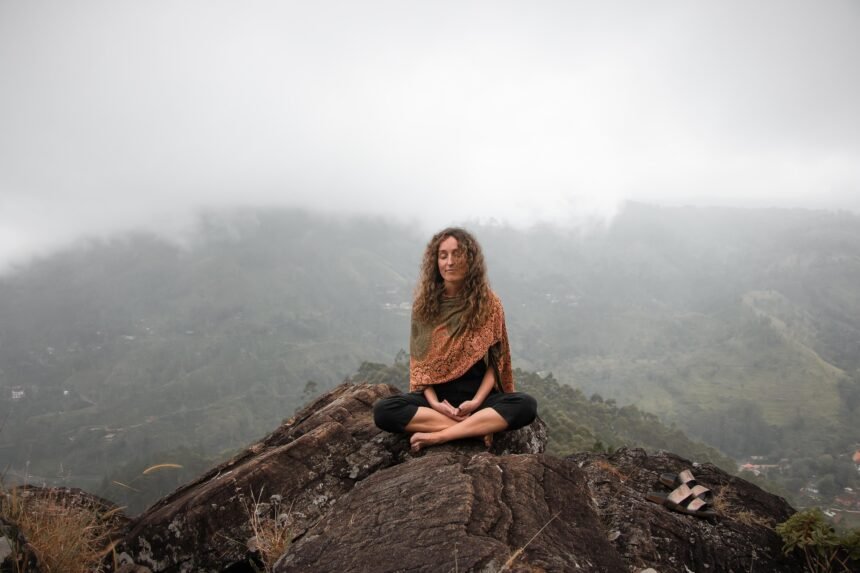
Once Half Lotus feels comfortable, bring your left foot onto the right thigh to form Full Lotus. Check that your knees are touching the floor gently and you feel no pain in the joints. Keep your spine straight, your neck long, and your shoulders relaxed. This alignment allows your breathing to flow naturally and supports longer meditation sessions.
4. Place Your Hands
Rest your hands on your knees, palms facing upward. You can use a mudra, like Gyan Mudra, by touching your thumb and index finger together. Mudras help focus the mind and channel energy during meditation.
5. Focus Your Mind
Close your eyes and take slow, even breaths. Imagine calmness flowing from your head down through your body. Stay in the pose for five to twenty minutes, or as long as feels comfortable. You can focus on your breathing, a mantra, or simply observe your thoughts and sensations. Over time, your mind will naturally become more calm, clear, and centered.
Tips for Sitting Comfortably
Sitting in Padmasana can feel challenging at first, especially if your hips or knees are tight. The good news is, small adjustments can make a huge difference.
Use props. A folded blanket, cushion, or yoga block under your hips can lift you slightly, allowing your knees to rest closer to the floor. This reduces pressure on your hips and lower back, making the pose more comfortable for longer meditation sessions.
Warm up your hips. Your hips need to be open and ready before you attempt full Lotus. Gentle stretches like Baddha Konasana (Butterfly Pose) or Sukhasana (Easy Pose) loosen tight muscles and help you ease into Padmasana naturally. Even a few minutes of warm-up can make your practice feel lighter and more enjoyable.
Avoid pain. If your knees, ankles, or hips feel strained, adjust your position. Half Lotus is perfectly fine, and sometimes even staying in Easy Pose works better for your body. Remember, pain is your body’s way of saying, “Slow down.” Meditation should invite calm, not strain.
Start slow. Don’t try to sit for long stretches right away. Even five minutes of focused meditation in Padmasana is enough when you’re beginning. Gradually increase your time as your flexibility and comfort improve.
Relax your body. Once you’re in the pose, consciously let your shoulders drop, your jaw soften, and your face relax. When your body feels calm, your mind can follow, making your meditation more effective and enjoyable.
Common Mistakes to Avoid
Even simple poses like Lotus can become uncomfortable if done incorrectly. Here’s what to watch out for:
Forcing your legs into full Lotus too soon. Your hips and knees need time to open, so rushing can lead to pain or injury. Use Half Lotus or props until your body is ready.
Rounding the spine or slouching. A curved back reduces stability, compresses your lungs, and can make meditation feel uncomfortable. Aim to sit tall, with a gentle lift through the crown of your head, while keeping your shoulders soft.
Tensing shoulders or jaw. Many people hold tension unconsciously. Check in with your body: drop your shoulders, unclench your jaw, and release any tightness in your face.
Ignoring discomfort. Knee, hip, or ankle pain is a warning. Don’t push through it. Adjust your position, use props, or stick with a simpler variation.
Trying to meditate too long too soon. Long sessions are not the goal for beginners. Start with manageable periods, and your body and mind will naturally adapt over time.
Variations of Padmasana
Padmasana can be adapted to suit different levels of flexibility and meditation practice:
Ardha Padmasana (Half Lotus Pose). Perfect for beginners or those with tight hips. One foot rests on the opposite thigh while the other stays underneath. This gives stability and comfort while still preparing you for full Lotus.
Supta Padmasana (Reclining Lotus Pose). An advanced variation where you lie back in Lotus. It’s excellent for deep relaxation, breathing exercises, or restorative meditation, but only attempt this once your hips and knees are flexible enough.
Lotus with Mudras. Incorporating hand gestures, like Gyan Mudra, Chin Mudra, or Dhyana Mudra, can focus the mind, balance energy, and enhance meditation. Mudras are subtle tools that deepen your practice without moving a muscle.
Who Should Practice Padmasana?
Padmasana is a wonderful posture for meditation, but like any yoga pose, it’s important to approach it mindfully. Most healthy adults can benefit from practicing it, but beginners or anyone with tight hips, knees, or lower back issues should be cautious.
Before attempting full Lotus, make sure your hips and knees have enough flexibility to sit comfortably. If you feel tightness or discomfort, start with Half Lotus or use props like cushions or blankets to lift your hips. This simple adjustment can make the pose accessible and safe while still giving you the grounding and stability you need for meditation.
People with serious joint or lower back injuries should consult a healthcare professional or a certified yoga teacher before attempting Padmasana. The pose can be incredibly beneficial, but safety always comes first. Remember: meditation is about calming the mind, and your body should support that, not create pain or stress.
With time, patience, and consistent practice, most people can gradually ease into full Lotus, enjoying its benefits without strain.
Conclusion
Padmasana is more than just a yoga posture—it’s a gateway to mindfulness, focus, and inner calm. Sitting in Lotus helps your body feel grounded, your mind stay steady, and your meditation practice reach deeper levels.
By following the tips in this guide—using props, warming up your hips, respecting your limits, and gradually building your practice—you can sit comfortably in Padmasana and enjoy its physical, mental, and spiritual benefits.
Start slow, be consistent, and allow yourself to experience the journey rather than rushing for perfection. With patience, this simple yet profound posture can enhance your meditation practice, nurture inner peace, and bring clarity and balance to both your body and mind.