

How you start your morning often determines how the rest of your day unfolds. A rushed, distracted beginning can leave you feeling stressed and unfocused, while a calm and intentional routine can boost productivity, positivity, and energy levels. This is why many wellness experts emphasize the power of a consistent morning ritual — and one of the most effective practices you can adopt is Surya Namaskar, also known as Sun Salutation.
- What is Surya Namaskar?
- What Happens When You Practice Surya Namaskar asanas Every Morning?
- 1. Improved Flexibility
- 2. Increased Metabolism and Weight Management
- 3. Greater Muscle Strength and Stamina
- 4. Enhanced Mental Clarity and Focus
- 5. Better Breathing and Lung Capacity
- 6. Support for Heart Health
- 7. Hormonal Balance
- 8. Reduced Stress and Anxiety
- Benefits of Surya Namaskar for Different Groups
- How Many Surya Namaskars Should You Do Daily?
- Best Time & Tips for Maximum Benefits
- Common Mistakes to Avoid
- Who Should Avoid or Modify Surya Namaskar?
- Conclusion
Surya Namaskar is a dynamic sequence of 12 yoga poses performed in a smooth flow, synchronized with mindful breathing. It gently stretches and strengthens the entire body while activating the mind. Unlike isolated exercises, this traditional yoga practice works holistically — improving flexibility, circulation, muscle tone, and mental clarity all at once.
Rooted in ancient Indian yoga tradition, Surya Namaskar was originally practiced as a way to express gratitude to the sun, the source of life and energy. Over time, it evolved into a complete physical, mental, and spiritual practice that prepares the body and mind for the day ahead.
If you’re wondering about the real impact, the benefits of Surya Namaskar go far beyond simple stretching. From increased metabolism and improved posture to reduced stress and sharper focus, even a few rounds each morning can transform both your body and your mindset — setting the tone for a healthier, more balanced life.
What is Surya Namaskar?
Surya Namaskar is a structured sequence of 12 yoga postures performed in a continuous flow. The term comes from Sanskrit, where Surya means “sun” and Namaskar means “salutation.” It is traditionally practiced as a way of expressing gratitude to the sun, symbolizing energy and vitality.
In modern yoga practice, Surya Namaskar is widely used as a comprehensive physical exercise. It combines stretching, strengthening, and controlled breathing, making it both a warm-up routine and a complete workout.
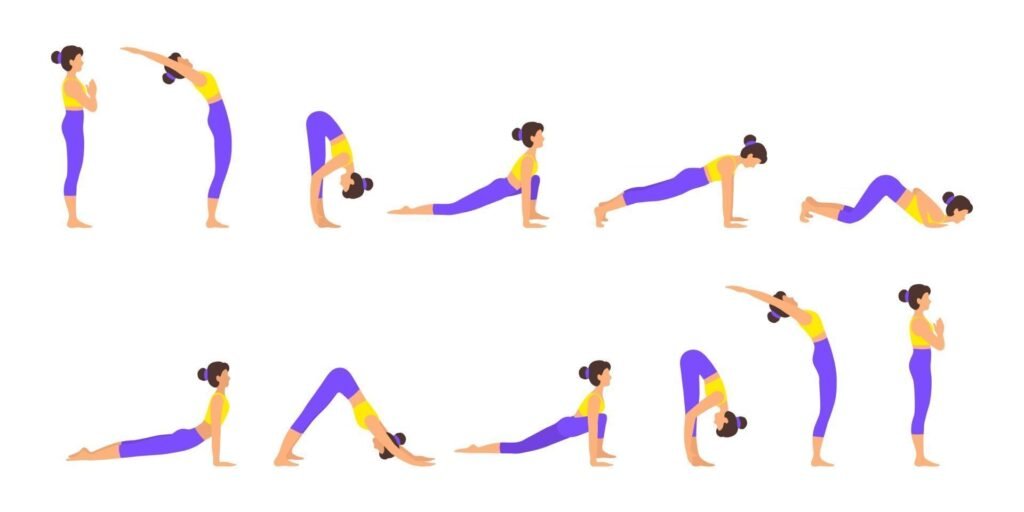
The 12 Poses of Surya Namaskar
A standard round of Surya Namaskar consists of the following 12 positions:
- Pranamasana (Prayer Pose)
- Hasta Uttanasana (Raised Arms Pose)
- Padahastasana (Standing Forward Fold)
- Ashwa Sanchalanasana (Equestrian Pose)
- Dandasana (Plank Pose)
- Ashtanga Namaskara (Eight-Point Salute)
- Bhujangasana (Cobra Pose)
- Adho Mukha Svanasana (Downward-Facing Dog)
- Ashwa Sanchalanasana (Opposite Leg Forward)
- Padahastasana (Forward Fold)
- Hasta Uttanasana (Raised Arms Pose)
- Pranamasana (Prayer Pose)
These postures are arranged to alternate between forward bends, backward bends, and strengthening positions. Completing the sequence with both legs results in one full round.
Connection Between Breath and Movement
Breathing plays a central role in Surya Namaskar. Each movement is coordinated with either inhalation or exhalation:
- Inhale during upward and expanding movements.
- Exhale during forward bends and contracting movements.
This synchronization improves oxygen supply to the muscles and brain, supports cardiovascular function, and promotes mental focus. The controlled breathing pattern also enhances the meditative quality of the practice.
Best Time to Practice
Surya Namaskar is traditionally performed in the early morning at sunrise, ideally facing east. Morning practice is recommended because:
- The body is refreshed after rest.
- The stomach is empty, allowing comfortable movement.
- It helps activate metabolism for the day ahead.
Although it can be practiced at other times, morning sessions are considered most beneficial for establishing consistency and maximizing both physical and mental benefits.
What Happens When You Practice Surya Namaskar asanas Every Morning?
Practicing Surya Namaskar daily creates gradual but noticeable changes in both the body and the mind. Because the sequence combines stretching, strength training, controlled breathing, and mindful movement, its benefits are comprehensive and long-lasting. Here’s what typically happens when you make it part of your morning routine:
1. Improved Flexibility
Daily practice gently stretches major muscle groups and joints. Over time, this leads to:
- Better spinal mobility
- Increased flexibility in hamstrings, shoulders, and chest
- Reduced muscle stiffness, especially after waking up
The flowing nature of the sequence helps maintain joint health and prevents tightness caused by prolonged sitting.
2. Increased Metabolism and Weight Management
Surya Namaskar functions as a full-body workout when performed continuously. Regular practice:
- Engages multiple muscle groups simultaneously
- Burns calories efficiently
- Stimulates the digestive system
Morning practice can activate metabolism early in the day, supporting healthy weight management when combined with proper nutrition.
3. Greater Muscle Strength and Stamina
Several poses in the sequence require holding body weight, which gradually builds strength. Consistent practice:
- Strengthens the core muscles
- Tones arms and legs
- Improves overall endurance and physical stamina
As stamina improves, everyday physical activities become easier and less tiring.
4. Enhanced Mental Clarity and Focus
The combination of movement and controlled breathing increases oxygen supply to the brain. This can:
- Improve concentration
- Reduce stress hormone levels
- Promote a calm and alert mental state
Starting the day with focused breathing and mindful movement often leads to better productivity and emotional balance.
5. Better Breathing and Lung Capacity
Surya Namaskar emphasizes synchronized breathing patterns. Over time, this:
- Encourages deeper, more controlled breathing
- Strengthens respiratory muscles
- Improves overall lung capacity
This is especially beneficial for individuals looking to improve respiratory efficiency.
6. Support for Heart Health
When practiced at a steady pace, Surya Namaskar can function as a light cardiovascular workout. It may:
- Improve blood circulation
- Enhance cardiovascular efficiency
- Support overall heart health
Regular movement helps maintain healthy blood flow throughout the body.
7. Hormonal Balance
The sequence stimulates various glands in the endocrine system through stretching and compression movements. This may:
- Support hormonal regulation
- Help maintain menstrual health in women
- Contribute to balanced thyroid function
Although not a medical treatment, consistent practice can support overall hormonal well-being.
8. Reduced Stress and Anxiety
Morning yoga activates the parasympathetic nervous system, which promotes relaxation. Daily practice:
- Lowers tension levels
- Encourages mindfulness
- Helps manage anxiety more effectively
By combining physical activity with breath awareness, Surya Namaskar supports both mental stability and emotional resilience.
Benefits of Surya Namaskar for Different Groups
The daily practice of Surya Namaskar offers a wide range of benefits for people of all ages, fitness levels, and health goals. Because it combines flexibility, strength, and mindful breathing, the sequence can be adapted to suit individual needs, making it one of the most versatile yoga practices.
For Women
Surya Namaskar can be particularly supportive for women’s health when practiced regularly and with proper technique.
Hormonal Balance
The practice gently stimulates endocrine glands, which may help regulate hormonal activity. Regular rounds of Surya Namaskar can support menstrual health and reduce discomfort associated with hormonal fluctuations.
Support for PCOS Management
While not a replacement for medical treatment, consistent yoga practice can help manage stress and improve metabolism—factors that are important for women with PCOS (Polycystic Ovary Syndrome). Improved insulin sensitivity and lower stress levels contribute positively to overall well-being.
Postpartum Recovery (With Guidance)
After childbirth, and with medical approval, modified Surya Namaskar can aid in restoring muscle tone, improving circulation, and gradually rebuilding core strength. New mothers should practice under professional guidance to ensure safety.
For Men
Men can also enjoy significant benefits of Surya Namaskar, especially for strength, endurance, and overall fitness.
Improves Strength and Stamina
The sequence includes weight-bearing poses like plank and downward dog, which strengthen the core and upper body. Practicing multiple rounds improves endurance and cardiovascular efficiency over time.
Supports Reduction of Belly Fat
When performed at a moderate or faster pace, Surya Namaskar raises heart rate and burns calories. Combined with a healthy diet, this can help reduce abdominal fat and improve overall body composition.
For Beginners
One of the advantages of Surya Namaskar is its accessibility and adaptability.
Easy to Start
Beginners can start with 2–4 slow and controlled rounds and gradually increase intensity as strength and flexibility improve. Modifications can be applied to suit different fitness levels.
Builds Foundational Fitness
Even a few rounds daily strengthen major muscle groups, improve posture, enhance coordination, and increase flexibility. This makes Surya Namaskar an excellent starting point for anyone new to yoga or fitness.
With proper technique and regular practice, the benefits of Surya Namaskar can be experienced by nearly everyone, making it a holistic and inclusive daily routine that supports both physical and mental well-being.
How Many Surya Namaskars Should You Do Daily?
The number of Surya Namaskar rounds you should practice each day depends on your fitness level, experience, and personal goals. It’s important to focus on correct posture and steady breathing rather than speed or high repetition.
Beginners: 4–6 Rounds
If you are new to yoga, start with 4 to 6 slow and controlled rounds. This allows your body to adapt to the movements, improves flexibility gradually, and reduces the risk of strain. As your strength and stamina increase, you can slowly add more rounds.
Intermediate Level: 8–12 Rounds
For individuals with some yoga or fitness experience, 8 to 12 rounds provide a balanced workout. At this level, Surya Namaskar improves endurance, enhances muscle tone, and offers mild cardiovascular benefits when performed at a steady pace.
Advanced Level: 24+ Rounds
Experienced practitioners may perform 24 or more rounds, especially during special yoga sessions or challenges. At higher repetitions, the practice becomes more physically demanding and can function as an intense full-body workout. Proper hydration and correct technique are essential.
Ideal Duration
For most people, a daily session lasting 10 to 20 minutes is sufficient to experience noticeable benefits. Even a short, consistent practice each morning can improve flexibility, strength, and mental clarity over time.
Consistency is more important than the number of rounds. Practicing regularly with proper alignment and breathing delivers better results than occasional intense sessions.
Best Time & Tips for Maximum Benefits
To get the most out of Surya Namaskar, timing, environment, and technique play an important role. Following a few simple guidelines can enhance both physical and mental benefits.
Practice in the Early Morning
The optimal time for Surya Namaskar is early morning, ideally at sunrise. At this time, the body is refreshed after sleep, energy levels are naturally higher, and practicing on an empty stomach allows easier movement and digestion. Morning practice also helps set a positive tone for the entire day.
Face East While Practicing
Traditionally, Surya Namaskar is performed facing east, the direction of the rising sun. Practicing in this orientation is believed to maximize energy absorption and align your body with natural light, supporting circadian rhythm and mental alertness.
Maintain Proper Breathing
Synchronizing breath with movement is a core element of Surya Namaskar.
- Inhale during upward or expansive movements (like raising arms or chest).
- Exhale during forward bends or contracting movements.
Focused breathing enhances oxygen supply, reduces stress, and promotes mental clarity. Avoid holding your breath or rushing through the poses.
Stay Consistent
Consistency is more important than intensity or duration. Practicing daily—even for 10–15 minutes—ensures gradual improvements in flexibility, strength, and overall well-being. Establishing a routine helps turn Surya Namaskar into a habit that benefits both body and mind.
By following these tips, your daily practice becomes not just exercise, but a complete holistic routine for physical, mental, and emotional health.
Common Mistakes to Avoid
While Surya Namaskar is beneficial, performing it incorrectly can reduce its effectiveness or even cause strain. To maximize benefits and stay safe, avoid these common mistakes:
- Rushing Through Poses: Moving too quickly can compromise form and reduce the stretching and strengthening benefits. Focus on smooth, controlled transitions.
- Incorrect Breathing: Surya Namaskar relies on synchronized breathing. Holding your breath or breathing irregularly can limit oxygen flow and mental focus.
- Poor Alignment: Misaligned posture in any pose can strain muscles or joints. Pay attention to spine, shoulders, and limb positions.
- Skipping Warm-Up: Performing the sequence without warming up can increase the risk of muscle tightness or injury. A few minutes of light stretching prepares the body effectively.
Who Should Avoid or Modify Surya Namaskar?
While Surya Namaskar is generally safe for most people, certain conditions require caution or modifications to prevent injury or strain.
- Back Injuries: People with spinal problems or chronic back pain should avoid deep backbends and twisting poses. Consulting a physiotherapist or experienced yoga instructor is recommended.
- High Blood Pressure: Intense or rapid practice may elevate blood pressure. It’s best to perform slower rounds, avoid extreme backbends, and focus on gentle breathing.
- Pregnancy: Pregnant women should seek medical advice before practicing. Many poses may need to be adapted to ensure safety for both mother and baby.
- Recent Surgery: Individuals recovering from surgery should avoid full rounds until fully healed and cleared by a healthcare professional. Gentle stretching or modified poses may be considered instead.
By making adjustments or seeking guidance when necessary, Surya Namaskar can be practiced safely while still offering many benefits.
Conclusion
Daily practice of Surya Namaskar offers a wide range of benefits for both body and mind. From improved flexibility, strength, and stamina to better breathing, mental clarity, and stress reduction, even a short routine can have a profound impact on overall health. The key to experiencing these benefits lies in consistency over intensity. It’s better to practice a few rounds every day with proper form and mindful breathing rather than overexerting yourself occasionally.
Focusing on the correct Surya Namaskar steps ensures that each pose is performed safely and effectively, maximizing the physical and mental benefits of the practice. Start small, stay regular, and you will notice positive changes in your energy, focus, and overall well-being.
“Just 15 minutes every morning can transform your health.”